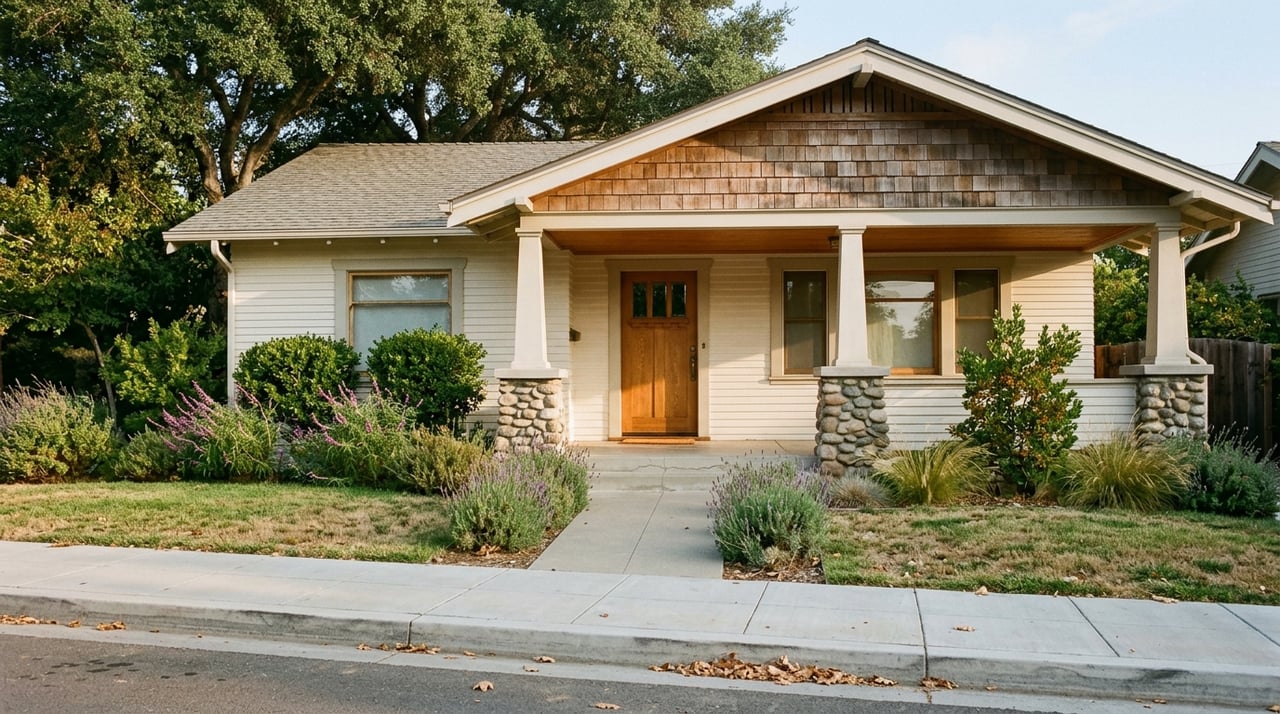
Wondering why one Santa Barbara home feels like a romantic courtyard retreat while another feels like a polished villa or a casual bungalow? In this market, architectural style is more than a visual preference. It shapes how a home lives, what maintenance may look like, and even what changes may be realistic down the road. If you are buying in Santa Barbara, understanding the local architectural language can help you narrow your search with more confidence. Let’s dive in.
Why style matters in Santa Barbara
Santa Barbara has a distinctly style-conscious built environment. According to the City of Santa Barbara’s overview of historic architectural styles, local design standards were created to be harmonious with the city’s architectural character, and prevalent styles include Spanish Colonial Revival, Italian Mediterranean, Craftsman, American Colonial Revival, Mission Revival, and Contemporary.
For you as a buyer, that means style is not just about curb appeal. In some areas, it can influence renovation options, exterior alterations, and how easily a home’s original character can be updated over time. The city also separates historic and landmark districts from the general style map system, and projects in those districts may be limited by district-specific style requirements or historic resource guidelines.
Spanish Colonial Revival homes
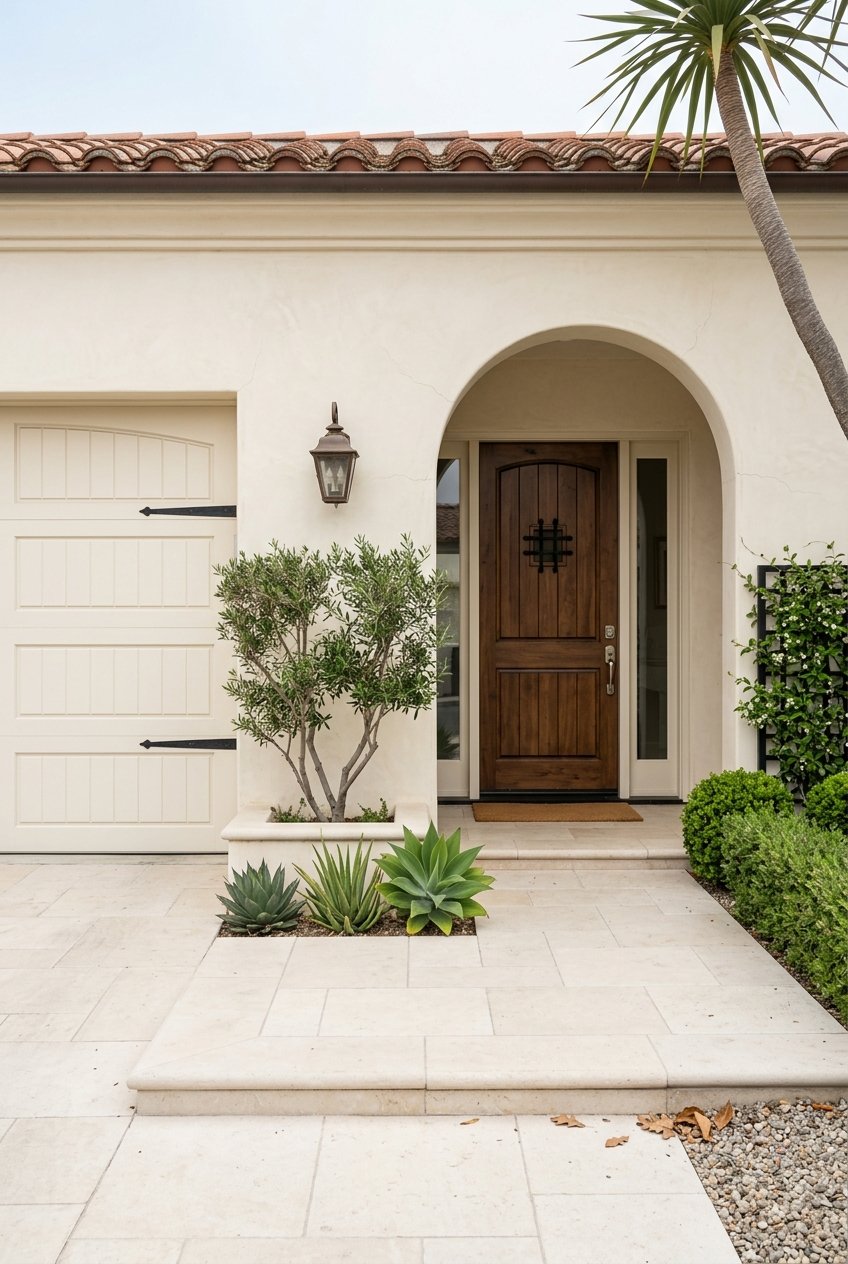
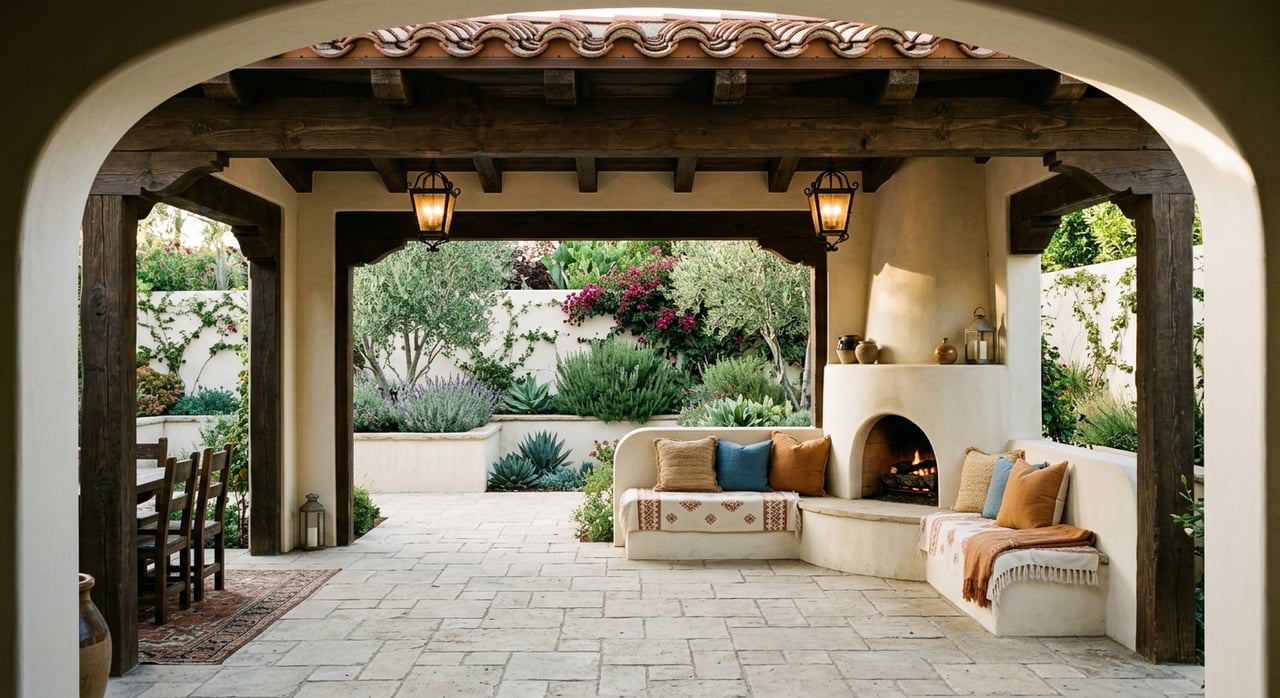
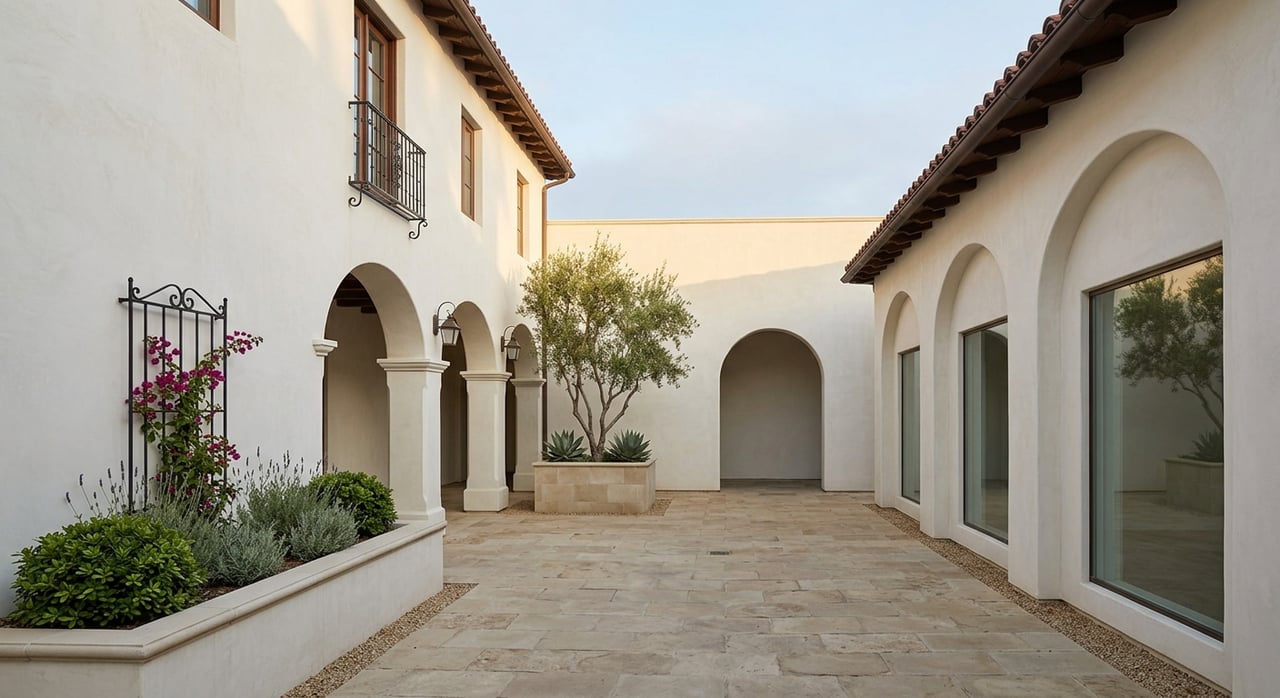
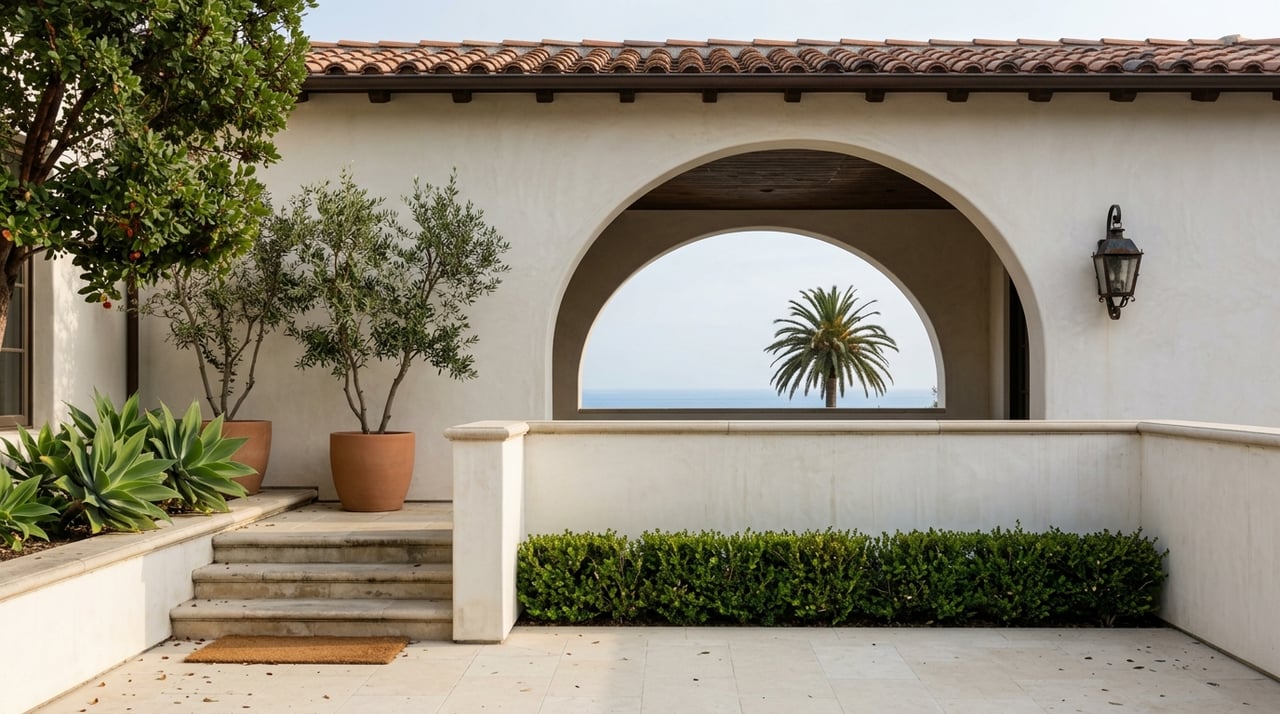
Spanish Colonial Revival is the signature style most closely associated with Santa Barbara. The city’s design guidelines for Spanish Colonial Revival describe thick plaster or stucco walls, clay tile roofs, recessed windows and doors, carved wood or iron details, and outdoor elements such as patios, pergolas, and verandas.
This style became central to Santa Barbara’s identity after the 1925 earthquake rebuild. That lasting influence is part of why buyers often see it as the classic local look, especially in areas the city notes include State Street, the Riviera, and West Beach.
How Spanish Colonial Revival feels
These homes often feel warm, layered, and inward-looking. Based on the city’s descriptions of asymmetrical massing, recessed entries, patios, and broad wall surfaces with carefully placed openings, the floor plan often reads as courtyard-oriented and strongly connected to indoor-outdoor living.
If you like homes with texture, privacy, and a sense of arrival, this style may speak to you. Buyers often respond to its asymmetry, sheltered outdoor areas, and architectural details that feel handcrafted rather than formal.
What to watch as a buyer
Because these homes often rely on clay tile roofing, stucco, and original windows or decorative trim, inspections should pay close attention to roof underlayment, flashing, stucco cracking, and window condition. The National Park Service guidance on clay tile roofs notes that historic tile roofs are fragile and benefit from specialized care and regular maintenance.
If the home is in a historic or landmark district, exterior work may be more constrained. That matters if you are already thinking about additions, window replacements, or major exterior updates.
Italian Mediterranean homes
Italian Mediterranean homes share some materials with Spanish Colonial Revival, but they usually present in a more symmetrical and formal way. The city’s Italian Mediterranean design guidelines describe low-pitched hipped roofs with Roman pan-and-barrel tile, boxed eaves, stucco walls, paired wood casement windows, and entrances that are centrally placed or more formally ordered.
The city also notes that this style pre-dates Spanish Colonial Revival and aligned with Santa Barbara’s image as the American Riviera. Examples appear downtown, in the Upper East, and on the Riviera.
How Italian Mediterranean feels
If Spanish Colonial Revival feels romantic and asymmetrical, Italian Mediterranean often feels centered and composed. Based on the city’s emphasis on symmetry and formal entrances, many of these homes read more like a rectangular or square villa with a clearly defined entry sequence.
For buyers, that often translates to a more formal first impression. If you prefer visual balance, orderly facades, and a classic villa feel, this style may be a strong fit.
What to watch as a buyer
Maintenance priorities are often similar to Spanish Colonial Revival because the materials overlap. Roof systems, stucco condition, decorative trim, and original windows deserve close review.
The National Park Service’s preservation guidance also supports careful repair rather than broad replacement when possible for historic materials. If authenticity matters to you, it is worth understanding what has already been replaced and how those changes affect both appearance and future upkeep.
Craftsman bungalow homes
Craftsman is Santa Barbara’s most familiar bungalow-era style. The city’s Craftsman style guide points to low-pitched roofs, deep eaves with exposed rafter tails, horizontally proportioned openings, wood shingles or weatherboard, asymmetrical composition, and porch columns set on masonry or sandstone piers.
The city also identifies Bungalow Haven as the largest intact concentration of Craftsman bungalows, with additional examples around downtown. These homes often appeal to buyers looking for charm, scale, and practical livability.
How Craftsman homes feel
Craftsman homes usually feel more casual and compact than Mediterranean styles. Based on the city’s descriptions of bungalow scale, low massing, projecting gables, and prominent porches, the floor plan often feels porch-centered and approachable.
If you want a home that feels grounded and informal, a Craftsman may be a better match than a more formal villa-style property. The architecture often emphasizes usable transitions, human scale, and simple warmth over grandeur.
What to watch as a buyer
Older Craftsman homes often need close review of wood porches, siding, trim, and windows. The National Park Service’s guidance on wood porches notes that porches are especially vulnerable to weather-related deterioration, while historic windows are often best repaired and retained where possible.
For you, that means paint condition, signs of rot, insect damage, and the quality of any prior window replacements can be especially important. A Craftsman can be deeply rewarding to own, but deferred exterior maintenance tends to show up quickly in wood-heavy details.
Contemporary coastal homes
Contemporary homes represent a different side of Santa Barbara design. In the city’s current code, Contemporary is recognized as a formal style group for qualifying new projects, and the city describes it as sleek, minimally ornamented, and based on simple rectilinear massing with changes in material and color. Glass and cantilevered elements are part of the look.
The city’s preapproved ADU program also includes both a Contemporary option and a Coastal Cottage option, showing how modern and coastal design language continues to shape current local housing.
How Contemporary homes feel
Contemporary homes usually feel the most open and flexible of the major styles buyers encounter. Based on the city’s descriptions, these homes tend to prioritize light, glazing, and simple building volumes over ornament.
If your wish list includes open-plan living, broad window openings, and a cleaner, more minimal visual language, this category may fit naturally. Many buyers also appreciate how these homes can feel more directly oriented to views and natural light.
What to watch as a buyer
With Contemporary homes, maintenance often centers less on decorative features and more on performance. You will want to ask about glazing quality, waterproofing details, sealants, and how transitions between materials have held up over time.
Because the style often depends on clean lines and minimal ornament, even small maintenance issues can affect the overall look. Thoughtful construction details matter here.
Compare styles by feel
If you are trying to describe your preferences before touring homes, a few style cues can make the conversation much easier.
| Style | Typical feel | Key visual cues |
|---|---|---|
| Spanish Colonial Revival | Courtyard-oriented, asymmetrical, indoor-outdoor | Stucco, clay tile, recessed openings, patios, pergolas |
| Italian Mediterranean | Formal, symmetrical, villa-like | Stucco, tile roof, centered entry, columns or pilasters |
| Craftsman | Casual, compact, porch-centered | Low-pitched roof, exposed rafters, wood details, prominent porch |
| Contemporary | Open, flexible, view-oriented | Large glazing, simple volumes, minimal ornament |
The city’s style guides suggest a practical buyer framework: think about symmetry versus asymmetry, formal versus casual, courtyard versus porch, wood versus stucco, and ornament versus simplicity. Once you can name those preferences, it becomes much easier to focus your home search.
Historic districts and renovation limits
In Santa Barbara, architectural style can affect more than aesthetics. If a property sits in a historic district, landmark district, or potential historic district, exterior changes may face more review than they would elsewhere. The city code makes clear that projects in these areas are guided by district rules or historic resource guidelines.
That does not mean a historic home is harder to own. It does mean you should go in with clear expectations. Before you buy, it is wise to verify what may apply to reroofing, porch changes, additions, or window replacement if those projects are part of your long-term plan.
Buyer tips for touring Santa Barbara homes
When you walk into homes across Santa Barbara, try to look beyond decor and focus on the underlying architecture. A few simple questions can help you compare homes more clearly:
- Does the home feel formal or relaxed when you enter?
- Is the outdoor living centered on a courtyard, porch, patio, or view deck?
- Does the facade feel symmetrical and balanced, or more layered and asymmetrical?
- Are the primary materials wood-heavy, stucco-heavy, or glass-forward?
- Do you want character and ornament, or simplicity and openness?
- If the home is older, what original features have been preserved or replaced?
- If you may remodel later, are there district or style-related constraints to understand now?
This kind of vocabulary matters. Terms like formal entry, symmetrical facade, bungalow scale, porch-centered, open-plan, and minimal ornament map closely to the visual differences the city uses to define these styles.
Finding the right fit for your lifestyle
The right architectural style is not just the one that photographs well. It is the one that supports how you want to live. Some buyers fall in love with the privacy and romance of Spanish Colonial Revival. Others prefer the centered elegance of Italian Mediterranean, the warmth of a Craftsman bungalow, or the cleaner lines of a Contemporary home.
In a market as design-driven as Santa Barbara, learning to identify those differences gives you an edge. You can tour more intentionally, ask smarter questions, and focus on homes that align with both your taste and your long-term goals.
If you are planning a move in Santa Barbara or along the South Coast, Sandy Lipowski offers thoughtful, high-touch guidance to help you narrow your search and evaluate homes with clarity.
FAQs
What is the most iconic architectural style in Santa Barbara?
- Spanish Colonial Revival is widely considered Santa Barbara’s signature style, with stucco walls, clay tile roofs, recessed openings, and strong indoor-outdoor living features.
How do Spanish Colonial Revival and Italian Mediterranean homes differ in Santa Barbara?
- Spanish Colonial Revival usually feels more asymmetrical and courtyard-oriented, while Italian Mediterranean typically feels more symmetrical, formal, and centered around a clear entry sequence.
What should buyers inspect closely in Santa Barbara Craftsman homes?
- Buyers should pay close attention to wood porches, trim, siding, windows, paint condition, and any signs of rot or insect damage.
Are Contemporary homes common in Santa Barbara?
- Contemporary design is part of Santa Barbara’s current code for qualifying new projects and appears in newer housing products, especially where buyers want open layouts, simple forms, and large areas of glass.
Do historic districts in Santa Barbara affect home renovations?
- Yes. Homes in historic or landmark districts may face additional review for exterior changes such as additions, window replacements, porch alterations, or reroofing.
How can a buyer describe architectural preferences when shopping in Santa Barbara?
- It helps to use clear terms like formal entry, courtyard-oriented, symmetrical facade, bungalow scale, porch-centered, open-plan, large glazing, and minimal ornament when discussing your goals.