Planning a beach day in Montecito can feel a little different than visiting a big state park. The shoreline is gorgeous, the access is nuanced, and small details matter when you are close to private homes and delicate habitats. If you want a smooth, respectful visit, a little prep goes a long way. In this guide, you will learn how to reach the beach legally, what rules to know, safety tips, and the simple etiquette that keeps Montecito special. Let’s dive in.
Public access basics in California
California’s shoreline below the mean high tide line is generally open to the public for walking, fishing, and recreation. Getting to that shoreline is the key. Access across private land is only allowed where a public easement or right-of-way exists. Do not cross private property to reach the sand.
Use official county and state resources to verify access points, parking, and posted rules before you go. Street-end paths, signed stairways, and marked easements are your best options. Avoid third-party maps that may be out of date.
Montecito shoreline at a glance
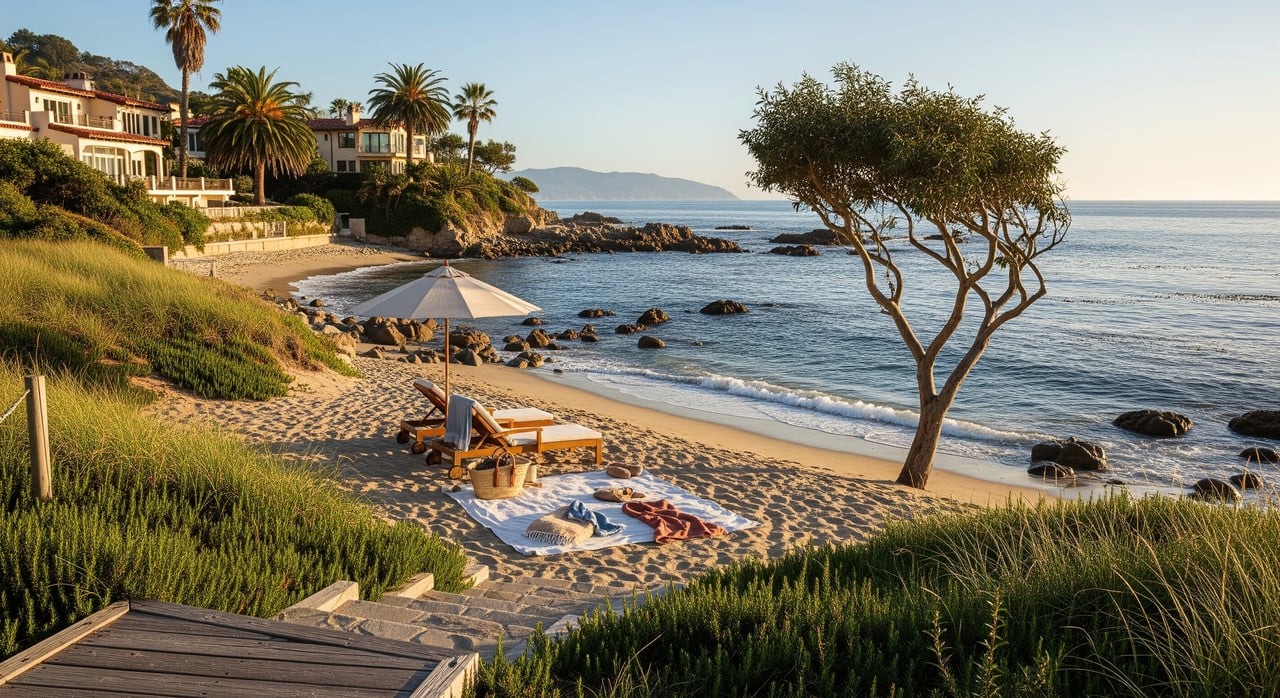
Montecito has a short, developed coastline with small pocket beaches and rocky stretches. You will find a few well-known areas and several discreet street-end access points. Parking is limited, and amenities are minimal compared with large state beaches.
Butterfly Beach basics
Butterfly Beach is a popular spot near the western edge of Montecito’s shoreline. Public shoreline access exists, but parking is limited and fills quickly. Expect a narrow beach at higher tides and be mindful of nearby residences.
Miramar Beach basics
The Miramar area offers a small, scenic beach environment close to local shops and hotels. Street parking is limited. The beach can feel very small at high tide, so plan your visit around the tide chart if you want more room to walk.
Pocket beaches and tide awareness
Many Montecito access points are compact and can become cut off at high tide. Check tides before you go and avoid sitting against bluffs or rocks during rising water. If a route looks risky because of surf or rocks, choose another access point.
Rules to know before you go
Regulations can vary by exact location and are enforced by multiple agencies. When in doubt, follow posted signs on-site.
Dogs and pet etiquette
Rules for dogs vary by beach and can change seasonally to protect nesting shorebirds. Keep dogs leashed where required and always pick up after your pet. If you see a roped-off area for wildlife, steer clear.
Fires, grilling, and smoking
Open fires and beach bonfires are often restricted, especially at small local beaches without facilities. Only use designated equipment where permitted. Smoking may be limited or discouraged due to litter and fire risk.
Alcohol, noise, and events
Alcohol is commonly restricted on many California beaches. Keep music and voices low, especially near homes. Weddings, large gatherings, and commercial photo shoots often require permits. Always confirm requirements before planning an event.
Drones and filming
Drones must follow federal rules and any local restrictions. Flights are often limited near sensitive wildlife and crowded beach areas. Commercial filming usually requires permits from the appropriate agency.
Wildlife protections
Protected shorebirds and marine habitats may trigger seasonal closures, roped nesting areas, or dog restrictions. Never enter closed areas and do not disturb wildlife. Report injured or stranded marine animals to local authorities.
Safety and preparedness
Montecito’s small beaches are beautiful but can lack lifeguards and amenities. Plan with safety in mind.
Lifeguards and swimming
Do not assume lifeguards are on duty. If you plan to swim, identify the nearest guarded beach and review conditions first. Teach your group basic rip current safety: do not fight the current, float or swim parallel to shore, then angle back in.
Tides, surf, and rip currents
Check the day’s tide chart and marine forecast. High tide can narrow or cover pocket beaches and increase wave hazards near rocks. If surf looks strong or conditions change quickly, stay on the sand.
Parking, access, and accessibility
Street-end parking is limited and strictly enforced. Never block driveways or private streets. Many access points use stairs or steep paths, and accessible features vary by site. Verify accessibility on official pages before you arrive.
Beach etiquette that keeps Montecito beautiful
Respect neighbors and private property
Stay on signed public paths, street ends, and stairways. Do not use private gates or walk across lawns. Keep noise low and be mindful of late hours.
Pack it in, pack it out
Bring bags for trash and pet waste. Many pocket beaches have limited bins and pickups. Leaving no trace protects wildlife and keeps the peace with nearby residents.
Tidepools and natural features
Tidepools are living habitats. Do not move rocks or remove marine life, shells, or driftwood. Observe gently and leave everything as you found it.
Responsible recreation
Share waves and follow surf etiquette. Keep smoking materials off the sand and away from brush if permitted. Choose reef-safe sun protection where possible.
Your pre-visit checklist
- Confirm public access points and current rules on official county or state resources.
- Check tide times and surf or rip current forecasts.
- Review dog, fire, and alcohol rules for the specific beach.
- Pack sun protection, water, snacks, and sturdy footwear.
- Bring a small first-aid kit and a fully charged phone.
- Bring waste bags for trash and pet waste.
- If anyone in your group is a weak swimmer or a child, bring a properly fitted life jacket.
Living the Montecito beach lifestyle
When you understand how access, tides, and local etiquette work, Montecito’s shoreline becomes easy to enjoy. You will move with the rhythm of the coast, visit at the right times, and leave each spot better than you found it. If you are exploring a move that puts you closer to this lifestyle, trusted, local guidance makes a difference.
Curious about homes near the sand or the best neighborhoods for coastal access on the South Coast? Reach out to Sandy Lipowski for discreet, concierge-level advice and a plan that fits how you live.
FAQs
Are Montecito beaches public if homes line the shore?
- Much of the wet sand below the mean high tide line is public, but you must use legal public access points and not cross private property.
Where can I park for Butterfly or Miramar Beach?
- Parking is limited near these areas and is typically at street ends or nearby business districts, so arrive early and never block driveways or private streets.
Can I bring my dog to Montecito beaches?
- Rules vary by site and season, and nesting bird protections can tighten restrictions in spring and early summer; be prepared to leash and pick up after your pet.
Are bonfires or alcohol allowed on Montecito beaches?
- Open fires are often restricted at small local beaches and alcohol is commonly prohibited; always follow posted signs and confirm rules in advance.
Are lifeguards on duty at Montecito beaches?
- Many pocket beaches do not have lifeguards; for swimming, consider visiting a guarded beach and always check conditions first.
What should I bring for a safe, easy beach day?
- Pack sun protection, water, snacks, sturdy footwear, a small first-aid kit, and waste bags, and check tides and rules before you go.