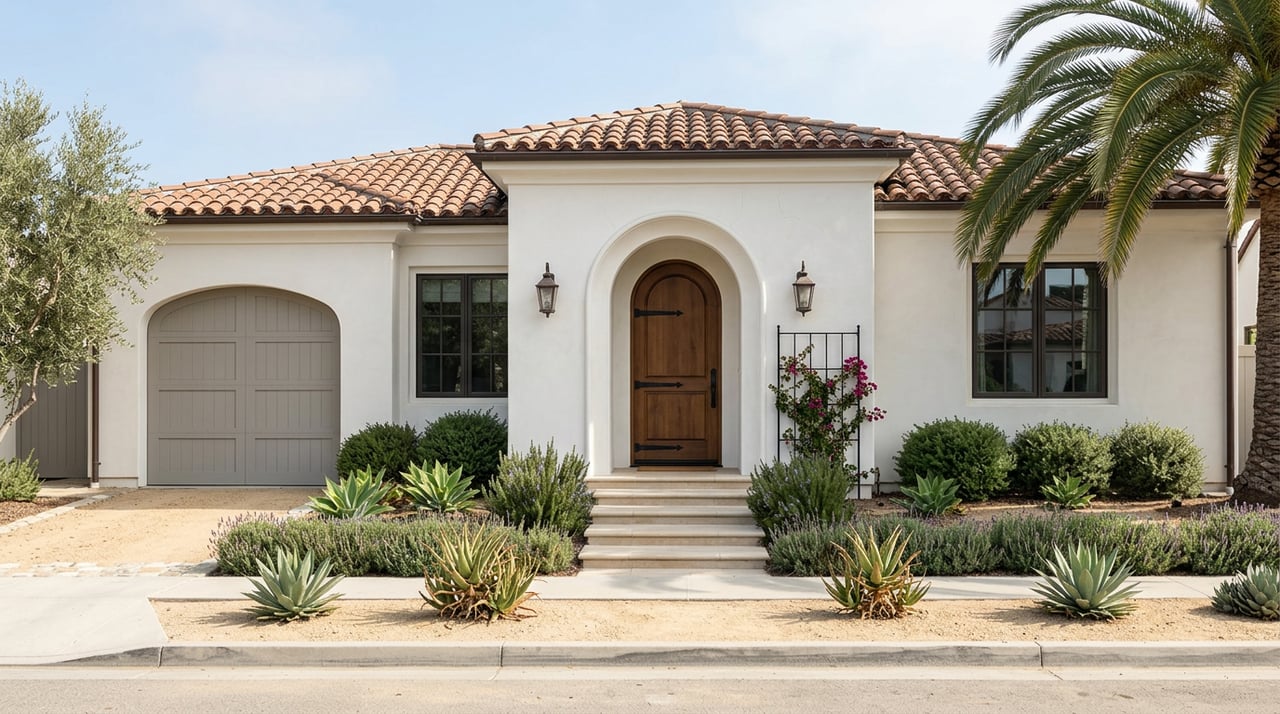
Dreaming about a lock-and-leave coastal retreat in Santa Barbara? You are not alone. The lifestyle is incredible, but the details matter: financing rules change for second homes, short-term rentals are tightly policed, and insurance can be complex near the coast and foothills. This guide walks you through what to check before you write an offer so you can buy with clarity and confidence. Let’s dive in.
Santa Barbara market reality
Santa Barbara sits in a high-cost tier, with many purchases closing in the seven-figure range and luxury enclaves trading higher. Local reporting shows city and South Coast medians often around the multi-million mark, which means many buyers use cash or jumbo financing. You will want a lender that understands local price points and timelines. For market context and monthly stats, see the Santa Barbara Association of REALTORS updates at sbaor.org.
How second-home financing works
Second homes are not underwritten like primary residences. Fannie Mae defines a second home as a one-unit property suitable for year-round use, under your exclusive control, and occupied by you for part of the year. Properties in rental pools or controlled by management agreements usually do not qualify as second homes. Review the criteria in Fannie Mae’s guide on occupancy types.
Down payments and reserves are different than a primary home. Many conventional second-home programs expect more equity than a primary purchase. Lenders also verify cash reserves, and requirements can scale up if you already have financed properties. For how reserves are evaluated, see Fannie Mae’s guidance on multiple financed properties. If the price exceeds agency limits, plan for jumbo or portfolio underwriting with stricter documentation and asset tests.
Lenders generally will not count prospective short-term rental income to help you qualify for a second home. If your intended use looks like a rental business, they may classify the loan as an investment property, which comes with different pricing and higher reserve needs. Confirm the rules early.
Smart lender questions to ask
- Will this be treated as a second home or an investment if I rent it occasionally?
- What minimum down payment, credit score, and reserves do you require for a Santa Barbara second home above the agency loan limit?
- Do you sell these loans to Fannie or Freddie, or keep them in portfolio? What overlays apply?
- Can any rental income be used to qualify, and what documentation is required?
Short-term rentals and local taxes
Do not assume a property can operate as a vacation rental. Santa Barbara has an active enforcement program, evolving ordinances, and coastal-zone considerations that affect whether short-term rentals are allowed. Before you rely on rental income, verify zoning, permits, and any enforcement history with City Planning and the City Attorney’s program. You can review recent enforcement updates in the City’s meeting materials here.
If you do rent short-term, register for the City’s Transient Occupancy Tax (TOT) and remit it on time. The posted TOT rate is 12 percent of rent, and the City requires monthly returns. Details are on the City’s TOT page here. Also check CC&Rs or HOA rules, which often restrict short-term stays or set minimum nights.
Federal tax basics for vacation homes
The IRS treats mixed personal and rental use under day-count rules. If you rent the home for fewer than 15 days in a year, that income is not reported. If you rent for more than 14 days, you must allocate expenses between personal and rental days. If you use the property more than the greater of 14 days or 10 percent of rental days, it is treated as a home for tax purposes, which affects loss and deduction rules. Review the framework in IRS Publication 527.
Mortgage interest on a second home can be deductible within federal limits, but gain on sale typically does not qualify for the primary residence exclusion unless you convert the property and meet the residency tests. Discuss your plan with a CPA before you buy or rent.
Insurance, wildfire, earthquake, and flood
Insurance is a key cost driver on the South Coast. In 2025, local fire agencies released updated Fire Hazard Severity Zone maps that expanded areas rated Moderate to Very High. If a property sits in a mapped zone, you may face defensible-space inspections, retrofit implications for future work, and potential insurance changes. Check the latest map resources through Santa Barbara County Fire here.
If admitted carriers will not write the policy, the California FAIR Plan is a market-of-last-resort option that provides fire coverage and can be paired with a Difference-in-Conditions policy for broader protection. Learn more at the California FAIR Plan. Earthquake coverage is not standard on homeowners policies. Many residents evaluate separate earthquake insurance and retrofits. For coastal and low-lying areas, review FEMA’s Flood Map Service Center to see if flood insurance is prudent or required by a lender. Use the parcel-level tools at the FEMA Flood Map Service Center.
Insurance checklist before you offer
- Ask the listing agent about the current insurer, premium, and any recent non-renewal notices.
- Confirm whether admitted homeowners coverage is available. Price earthquake and flood options if applicable.
- If the address is in a High or Very High fire zone, budget for defensible-space work and verify any wildfire-related upgrade requirements before remodeling.
Where to buy for your lifestyle
Every neighborhood offers a different rhythm. Match your pattern of use to setting, access, and risk profile.
Beachfront and Downtown
- Pros: walkability to shoreline, dining, and events. Strong visitor draw and easy airport access.
- Cons: higher purchase prices, limited parking in some areas, coastal-zone rules, and potential flood exposure.
Riviera, Upper East, Hope Ranch
- Pros: privacy, larger lots, and classic Santa Barbara architecture. Good for longer stays.
- Cons: some hillside parcels carry higher wildfire risk and related maintenance.
Montecito and Summerland
- Pros: renowned estates and a strong luxury retreat market.
- Cons: very high price points and varied local hazard considerations.
Goleta, Carpinteria, nearby options
- Pros: broader inventory for under certain price points and convenient access to services.
- Cons: different city rules and tax programs, so confirm each jurisdiction’s STR policies.
Operating costs and management
If you plan to rent, build a realistic pro forma. For long-term leases, professional management commonly runs about 6 to 12 percent of collected rent. For short-term rentals, full-service managers often charge roughly 20 to 35 percent of gross booking revenue, with added per-turnover cleaning and supplies. These ranges can help you model net income. See industry benchmarks summarized here.
Short-term operations shift utilities, restocking, and wear-and-tear to the owner. Set aside a maintenance reserve for systems, coastal corrosion considerations, landscaping, and any pool or spa service. If you are buying a condo or PUD, read the CC&Rs for rental limits, transfer fees, and any permit requirements.
Your pre-offer due diligence checklist
- Financing: Confirm second-home vs investment classification, down payment, rate, and reserves. Ask for written DU or underwriting conditions.
- STR status: Verify zoning, coastal-zone status, and any business or land-use permit needs. Check City enforcement records and whether back TOT is owed. Review the City’s enforcement updates here and the TOT rules here.
- Taxes and accounting: Map your intended rental days to IRS rules and plan your expense allocation. See IRS Publication 527 and consult a CPA.
- Insurance and hazards: Price homeowners, wildfire, earthquake, and flood options. If coverage is limited, explore the California FAIR Plan and check FEMA flood maps here. Review local fire hazard mapping here.
- Inspections: Order a full home inspection plus roof, drainage, and pest reports. For hillside or wildland-urban interface areas, plan for defensible-space compliance.
- HOA and title: Confirm CC&R rental limits, minimum-stay rules, and any transfer or registration requirements.
Work with a local advisor you trust
A second home should elevate your life, not add stress. You deserve clear answers on financing, insurance, taxes, and rental rules before you commit. If you want a private, end-to-end experience with vetted local vendors and data-driven guidance, connect with Sandy Lipowski. Sandy provides buyer representation, valuation support, leasing and relocation guidance across Santa Barbara, Montecito, and the South Coast.
FAQs
What counts as a “second home” for a mortgage?
- Fannie Mae defines a second home as a one-unit property suitable for year-round use, under your control, and occupied by you part of the year. See the agency rules on occupancy types.
Can I use Airbnb income to qualify for a second-home loan?
- Lenders generally do not allow prospective short-term rental income to qualify a second-home borrower. If rental use is primary, the loan may be treated as an investment property with stricter terms.
Are short-term rentals legal in the City of Santa Barbara?
- It depends on zoning, permits, and coastal-zone status. The City actively enforces illegal STRs, so verify a property’s status with City Planning and review enforcement updates here.
How much is Santa Barbara’s short-term rental tax?
- The City’s Transient Occupancy Tax is 12 percent of rent, and operators must register and file monthly returns. Details are on the City’s TOT page here.
How do wildfire maps affect my insurance options?
- Properties in higher Fire Hazard Severity Zones may face defensible-space rules, potential retrofit needs, and tougher underwriting. If standard carriers decline, explore the California FAIR Plan and compare total coverage with a broker.
What do vacation-rental managers typically charge?
- Full-service short-term rental managers often charge about 20 to 35 percent of gross booking revenue, plus turnover costs, while long-term management runs about 6 to 12 percent. See benchmarks summarized here.