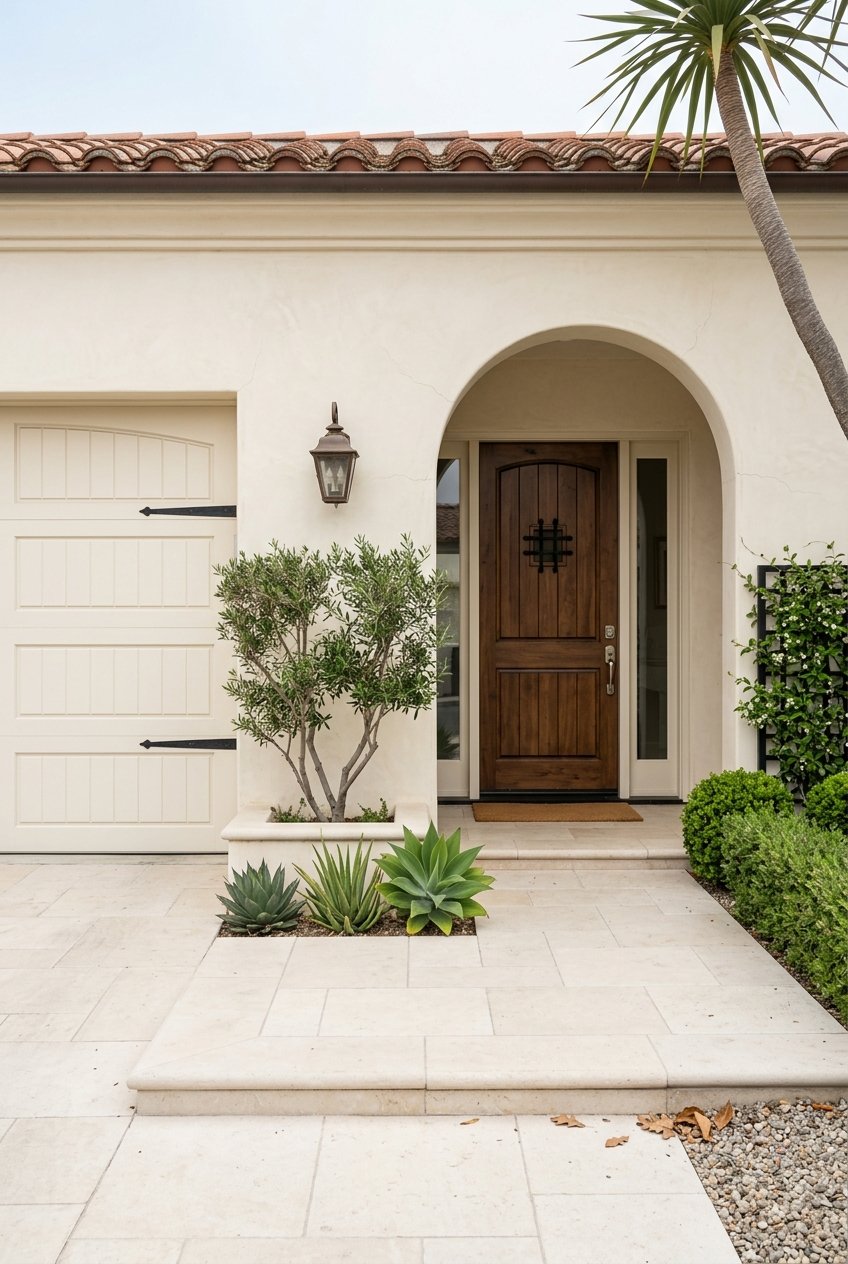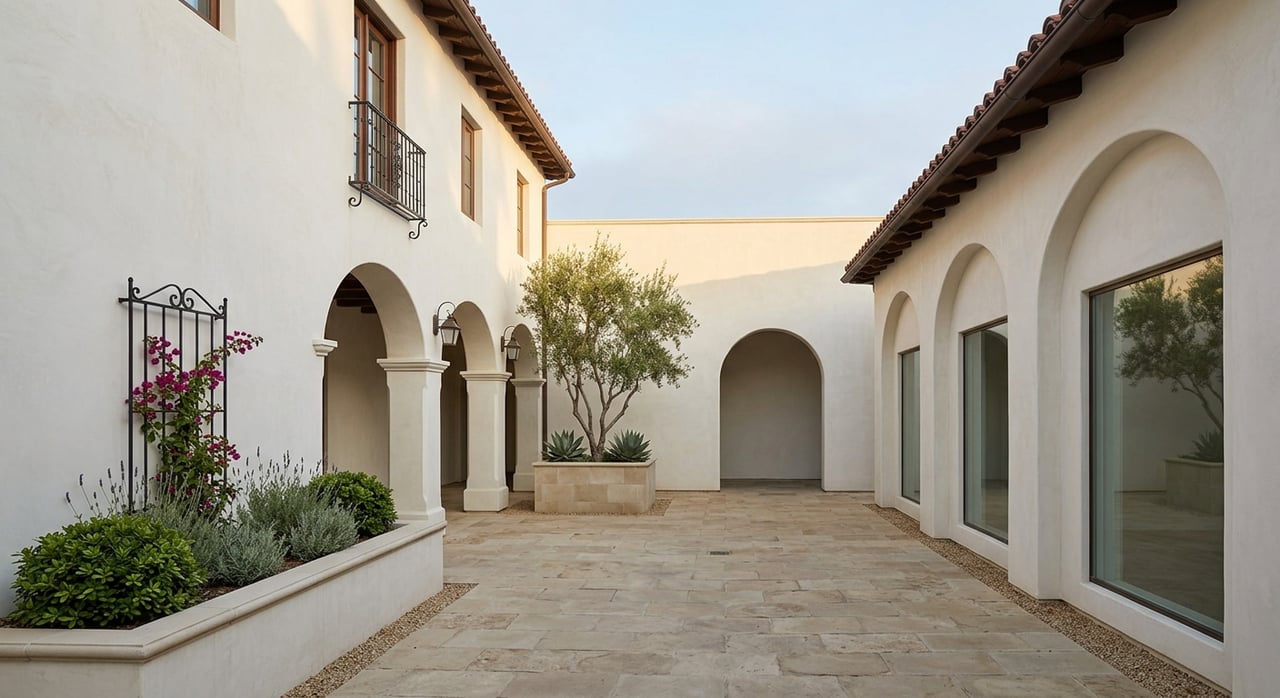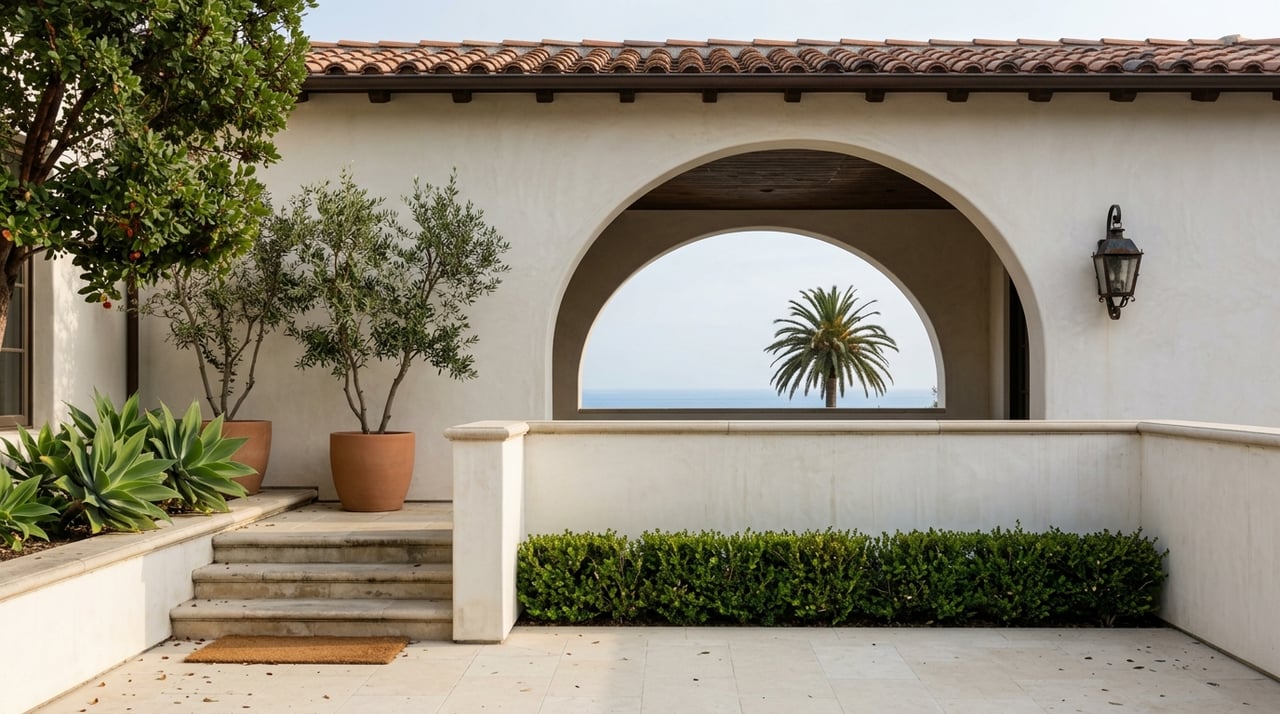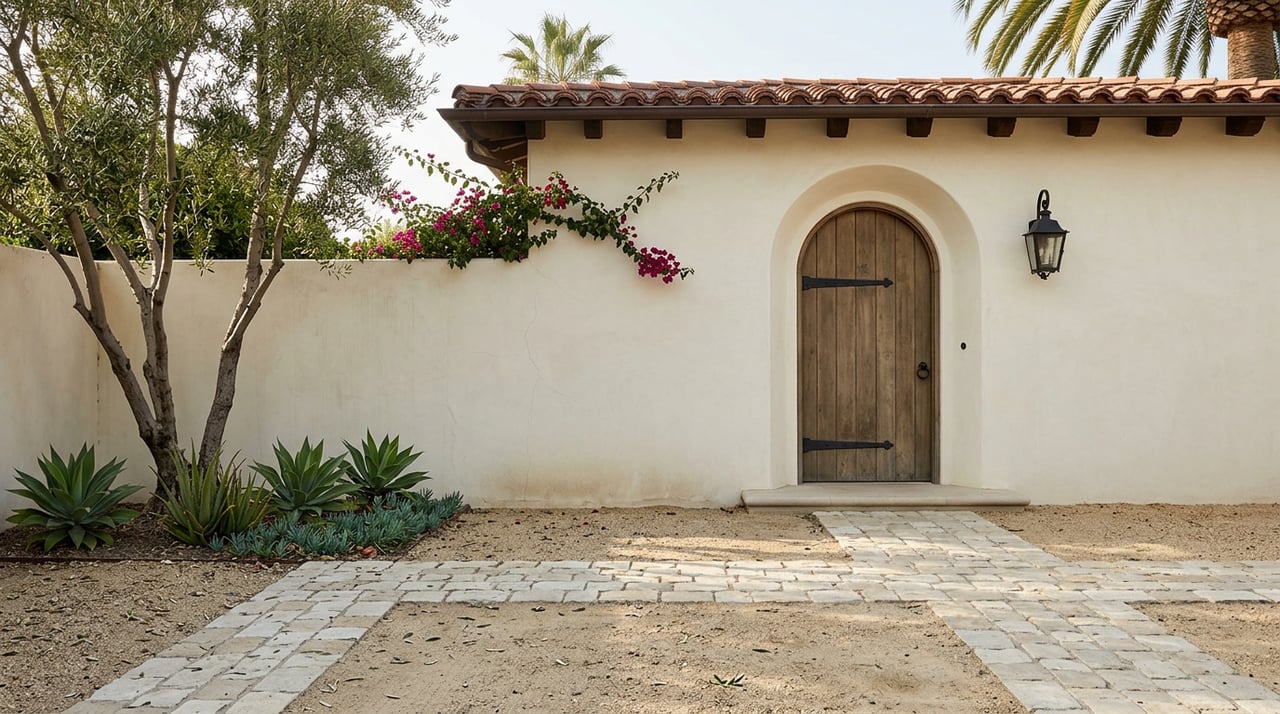
Thinking about moving to Montecito? You’re not alone. The coastal lifestyle, privacy, and timeless architecture draw buyers from across the country. At the same time, the market is specialized, the price points are high, and local due diligence matters a lot. This practical checklist gives you the steps, resources, and timing to relocate with confidence. Let’s dive in.
Quick snapshot: what sets Montecito apart
Montecito is a luxury market where most homes trade in the multi‑million dollar range. According to the latest snapshots, typical values cluster around five million or more, with the Zillow Home Value Index near 5.25 million and Redfin’s recent median sale price around 5.3 million. You should expect cash or jumbo financing to be common in this segment. See the current market context on the Zillow Montecito ZHVI and Redfin’s Montecito housing market page.
Montecito is unincorporated, so Santa Barbara County governs land use. The Montecito Community Plan is your guide to subareas, density, and minimum parcel sizes that preserve the area’s semi‑rural character. If you’re considering estate parcels or future improvements, review the Montecito Community Plan.
Local utilities are provided by special districts. Water service comes from the Montecito Water District, and wastewater is handled by the Montecito Sanitary District. Service availability and fire‑flow capacity can vary by address, so verify early with the Montecito Water District and confirm sewer coverage with the Montecito Sanitary District.
Neighborhood fit: coastal, village, foothills
Coastal and lower Montecito
If you want to live near the beach and dining, the lower area around Butterfly and Miramar beaches and Coast Village Road offers walkable access to shops and restaurants. Closer to the coast you may see smaller lots or boutique parcels. On a site visit, pay attention to beach access activity, parking, and evening noise. To get a feel for daily conveniences, explore Montecito Country Mart.
Central village locations
The Upper Village and Coast Village serve as commercial hubs with boutiques, grocery options, and services. You get easy errands and a strong sense of place. Tradeoffs can include more through‑traffic and less estate‑scale privacy. Pricing varies by micro‑location, so plan to compare recent sales in each village area before you narrow your search.
Foothills and mountain settings
Properties in the foothills tend to offer larger parcels, privacy, and big views. Drives are longer to shops and the beach, and exposure to wildfire and slope‑stability risks is higher. If estate scale or room to breathe is your priority, confirm the parcel’s designation and minimum lot size in the Montecito Community Plan and plan for extra due diligence.
Risk and readiness: inspections and insurance
Montecito has a well‑documented history with wildfire and post‑fire debris flows. The January 9, 2018 event was deadly and damaged hundreds of homes. The USGS has mapped debris‑flow runout and inundation areas, which makes site‑specific screening essential if a property is near a creek or on an alluvial fan. Review the USGS debris‑flow data and maps as you evaluate addresses.
Natural‑hazard screening checklist
- Debris‑flow and flood: Compare the address to USGS debris‑flow products in addition to FEMA flood maps. If a home sits near a creek corridor or fan toe, plan a geologic or geotechnical review.
- Wildfire exposure: Many foothill properties are in the wildland‑urban interface. The Montecito Fire Protection District maintains a Community Wildfire Protection Plan with mitigation programs, chipping, and guidance for defensible space. Review the Montecito CWPP and request recent defensible‑space inspections when available.
Technical inspections to prioritize
- Geotechnical and slope stability: Order a site‑specific report for steeper parcels or any home near mapped debris‑flow paths.
- Drainage and erosion: Understand how runoff moves on and off the site. Ask about culverts, swales, and any recent public‑works improvements nearby.
- Systems and structure: Complete general, roof, pest, and if applicable, septic inspections. Verify sewer connections and laterals with the Montecito Sanitary District.
- Wildfire hardening: Have a specialist review ember resistance, vents, roof, and clearance. The CWPP offers helpful frameworks.
Insurability and coverage
Insurance has become a key feasibility item in California. Standard homeowners policies often exclude flood, mudslide, and debris‑flow events unless specific coverage applies. The California Department of Insurance points to the 2018 Montecito disaster as a reminder to verify what is and is not covered. Before you remove contingencies, consult a broker who knows Santa Barbara County and review the Department of Insurance guidance on flood and debris‑flow coverage. Note that National Flood Insurance Program policies generally have a waiting period unless required for a purchase.
Financing and offer strategy
Financing reality in this market
Given local price points, many buyers use cash or jumbo financing. Baseline conforming loan limits in California are far below typical Montecito prices, so plan your lending strategy early. Use the FHFA conforming loan limit map as a benchmark, then talk with a lender who regularly handles Santa Barbara County jumbo loans. Current pricing context from Zillow and Redfin can help you right‑size pre‑approval ranges.
Offer mechanics and timelines
California purchases typically use the state’s standard Residential Purchase Agreement. Common escrow timelines run about 30 to 45 days, with contingency periods negotiated in the contract. Shorter inspection or loan timelines can be attractive to sellers but raise risk for you once contingencies are removed. In competitive situations, clean proof of funds, strong pre‑approval, and flexibility on close date often matter as much as price. Local market intel on what Montecito sellers value most will help you tailor each offer.
Your relocating‑to‑Montecito checklist
Follow these steps in phases so you can move quickly and protect your interests.
Phase A — Remote research and shortlisting
- Market triage
- Confirm price bands and inventory by neighborhood. Monitor a short list of target listings and recent sales using agent‑provided MLS data, supported by Zillow’s ZHVI and Redfin’s market page.
- Map hazards and services by address
- Compare each address with USGS debris‑flow maps and Montecito Fire resources. Flag properties near creeks, alluvial fans, and steep slopes for geotechnical review.
- Verify utilities early
- Confirm water service and ask about fire‑flow with the Montecito Water District. Check sewer availability with the Montecito Sanitary District.
- Fit and lifestyle
- Define your daily rhythm. Note commute routes, proximity to shops, and beach access. If schools are a factor, confirm attendance boundaries with the appropriate districts.
Phase B — Scouting trip (3–7 days onsite)
- Ground truth the neighborhoods
- Drive during peak and off‑peak times. Walk Coast Village Road and visit Montecito Country Mart. Spend time at Butterfly and Miramar beaches. Note privacy, parking, and ambient noise at different hours.
- Meet your core team
- Sit down with your local buyer’s agent, a jumbo‑savvy lender, a geotechnical engineer if slopes are in play, and an inspector with Montecito experience. Bring a prioritized list of questions about hazards, insurance, and timelines. Use the Montecito CWPP to frame wildfire discussions.
Phase C — Early due diligence (ideally during your contingency period)
- Title and public records
- Order a preliminary title report. Confirm easements, encroachments, and any parcel assessments. Request quick turnarounds so you can act on findings within your contingency window.
- Geotechnical evaluation
- For foothill or creek‑adjacent properties, commission a site‑specific geotechnical report. Reference USGS debris‑flow resources to inform scope.
- Systems, structure, and wildfire hardening
- Complete general, roof, pest, and septic or sewer‑lateral verifications. Ask Montecito Fire or qualified vendors to assess ember resistance and defensible space using the CWPP framework. In parallel, obtain preliminary homeowners, flood, and debris‑flow coverage quotes per the California Department of Insurance guidance.
- Appraisal and lending plan
- Luxury appraisals can take longer and may require specialists. Align with your lender on timelines and contingency strategy, referencing the FHFA limit map to understand where jumbo rules apply.
Phase D — Offer and closing strategy
- Assemble a complete offer packet
- Include proof of funds, lender pre‑approval, desired timing, and any flexibility on close or possession. In a competitive moment, consider strategy adjustments only after discussing risk with your agent and lender. Market pulse from Redfin’s Montecito page can help set expectations.
- Execute fast post‑offer
- The moment you are in escrow, schedule inspections and a geotechnical visit if indicated. Line up vendors in advance so you can meet contingency dates without stress.
What to ask on your scouting trip
Questions for your agent
- How do sellers in this micro‑area weigh close date, contingencies, and price today?
- What recent sales support this home’s list price and likely appraisal?
- Which neighborhood hazards or infrastructure items should we vet first?
Questions for your lender
- What are my realistic jumbo loan terms and timing in Santa Barbara County?
- How will a low appraisal be handled, and what are my options?
- What documentation do you need now to close inside 30 to 45 days?
Questions for engineers and inspectors
- Do you see debris‑flow, slope, or drainage red flags that warrant deeper study?
- What wildfire‑hardening upgrades would move the needle on risk and insurability?
- Are there system or maintenance items that are typical for this part of Montecito?
Work with a local team you can trust
Buying in Montecito rewards preparation, speed, and local know‑how. You deserve a principal‑led partner who can open doors discreetly, read micro‑market dynamics, and coordinate the right experts at the right time. If you want a boutique, white‑glove process with clear communication from search to close, connect with Sandy Lipowski. Sandy pairs hyper‑local insight with a trusted vendor network to help you evaluate neighborhoods, navigate hazards and insurance, and negotiate with confidence.
FAQs
Do most Montecito buyers use cash or jumbo loans?
- Many purchases are cash or jumbo because typical prices are several million. Check your range against the FHFA loan limit map and current market context from Zillow or Redfin.
How significant is debris‑flow risk in Montecito?
- It is very site‑specific and real in certain creek corridors; the 2018 event was deadly. Review USGS debris‑flow maps and obtain a geotechnical opinion for flagged properties.
Will my homeowners insurance cover debris flow or flood?
- Standard policies often exclude flood and mudslide; coverage depends on cause and policy language. Start early and review the California Department of Insurance guidance with your broker.
What local rules could affect a remodel or new build?
- The Montecito Community Plan and county zoning set minimum parcel sizes and development standards. Expect County review for large projects and plan timelines accordingly.
How long does escrow usually take in Montecito?
- Many escrows close in about 30 to 45 days, but high‑value properties and added inspections can extend timing. Your contract’s contingency periods will drive the schedule.