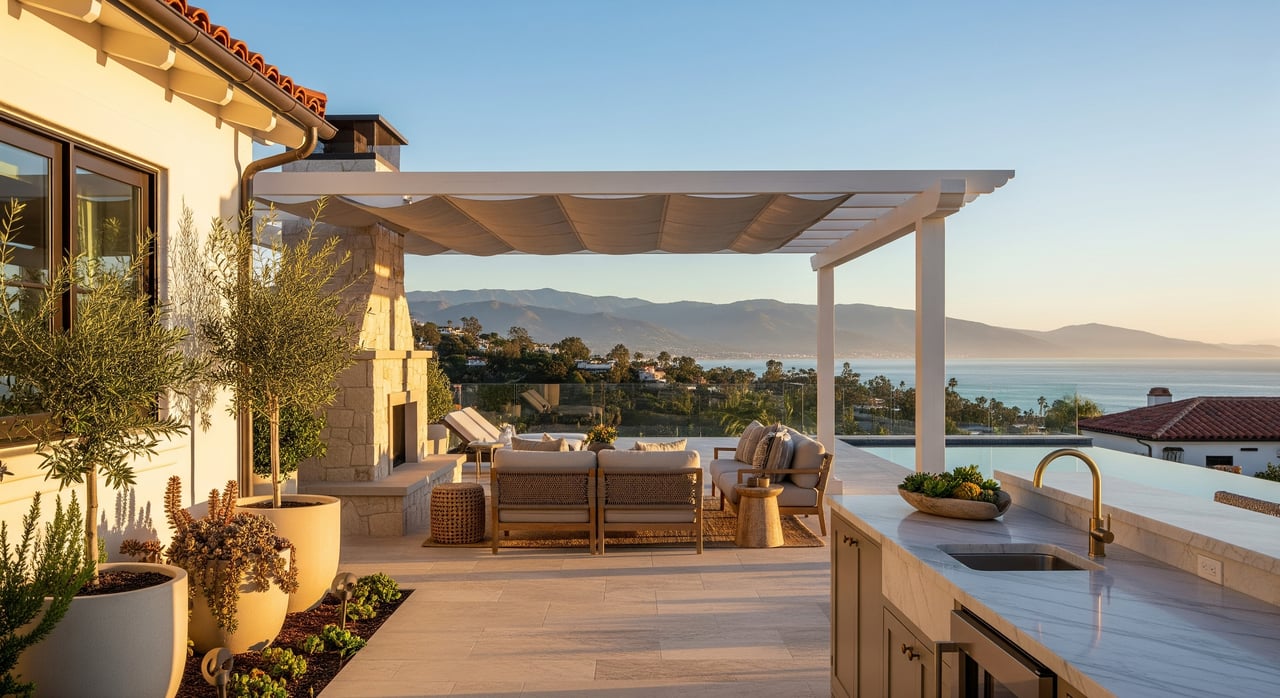
Craving more living space without adding on? In Santa Barbara, your backyard can do the heavy lifting. With our mild Mediterranean climate, buyers expect outdoor areas that feel as comfortable and functional as the rooms inside. If you are preparing to sell or want to invest wisely as a buyer, the right upgrades can elevate day-to-day living and help your home stand out. This guide covers the outdoor features Santa Barbara buyers consistently love, how to plan around local rules, and what materials last near the coast. Let’s dive in.
What buyers value in Santa Barbara
Santa Barbara’s climate makes outdoor living possible year-round, so buyers look for spaces that extend daily life outside. They want easy indoor-outdoor flow for dining and entertaining, comfortable shade, and privacy that feels refined rather than closed off. Many also prefer drought-tolerant gardens that look curated and save on water.
At the high end, you will see interest in outdoor kitchens, pools or spas, and custom hardscapes. In the mid-market, low-maintenance landscaping and a well-designed patio often deliver the most value. Across price points, clean presentation matters and thoughtful lighting, storage, and smart controls are welcomed.
Top upgrades Santa Barbara buyers love
Drought-tolerant and native gardens
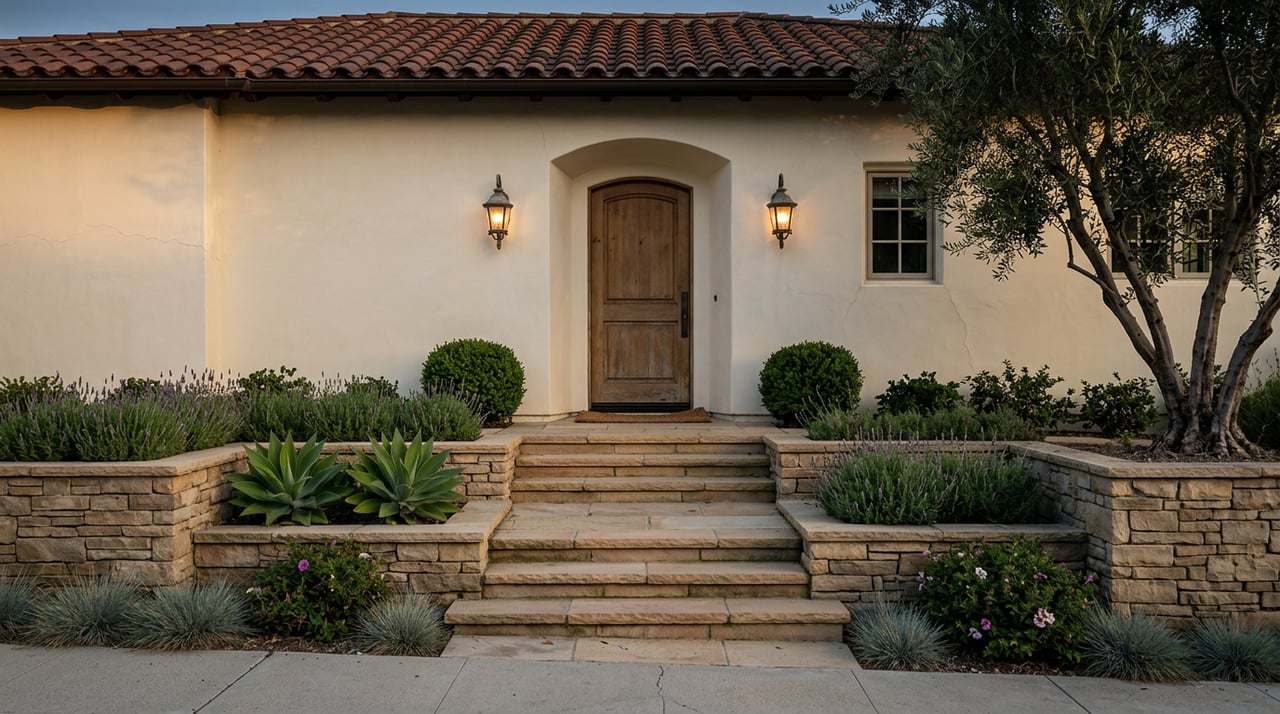
Buyers appreciate low-water landscapes that still feel lush and intentional. California natives and Mediterranean plants thrive here and support local habitat. Group plants by water needs, install drip irrigation, and use mulch to reduce evaporation. A tidy native garden with clear “low-water” signage reads as thoughtful, not spare.
Seller tip: Refresh plant beds, repair irrigation, and add gravel or bark to create strong definition. Buyers want beauty with easy upkeep.
Patios, decks, and indoor-outdoor flow
A generous patio or composite deck extends usable space and sets the stage for gatherings. Wide sliders or folding doors, level thresholds, and a logical path from kitchen to dining make daily life easier. Permeable pavers or concrete help manage runoff and align with local stormwater goals.
Seller tip: Stage a dining table near the kitchen doors and a separate lounge zone for conversation. Clear zones make the space feel bigger and more versatile.
Shade structures and sun control
Pergolas, retractable awnings, and well-placed patio covers keep afternoons comfortable while preserving views. Retractable options work well for sunny days and starlit evenings. Some structures require permits, so plan early with the City of Santa Barbara Building & Safety if you are adding a new cover or running electrical.
Seller tip: Choose durable, coastal-rated fabrics and finishes so the setup looks polished at showings.
Outdoor kitchens and dining zones
Outdoor kitchens are a natural fit for Santa Barbara’s lifestyle. A built-in grill, counter space, weather-resistant storage, and optional sink are the core pieces. Gas or propane hookups and task lighting round out the experience. Modest, well-finished setups often outperform oversized kitchens that feel unfinished.
Buyer tip: If you are purchasing a home with an outdoor kitchen, ask for appliance specifications, service history, and permits for gas or electrical.
Fire features and outdoor heating
Gas fire pits, fireplaces, and patio heaters extend evening use and add ambiance. In our fire-prone region, gas features are typically safer and more marketable than open wood fires. Confirm placement and equipment meet local fire codes, especially in wildland-urban interface areas.
Seller tip: Provide documentation that the feature complies with local rules and include any shutoff or safety details in the listing binder.
Pools, spas, and water features
In luxury segments, a well-designed pool or spa can be a strong selling point. For buyers who prioritize simplicity and water conservation, a spa-only setup or a small plunge pool can be a better fit. Water-wise, recirculating fountains offer calm ambience without heavy consumption.
Seller tip: Present recent service records and note any energy-efficient equipment or safety features. Well-maintained amenities feel like assets, not projects.
Low-maintenance hardscaping and paths
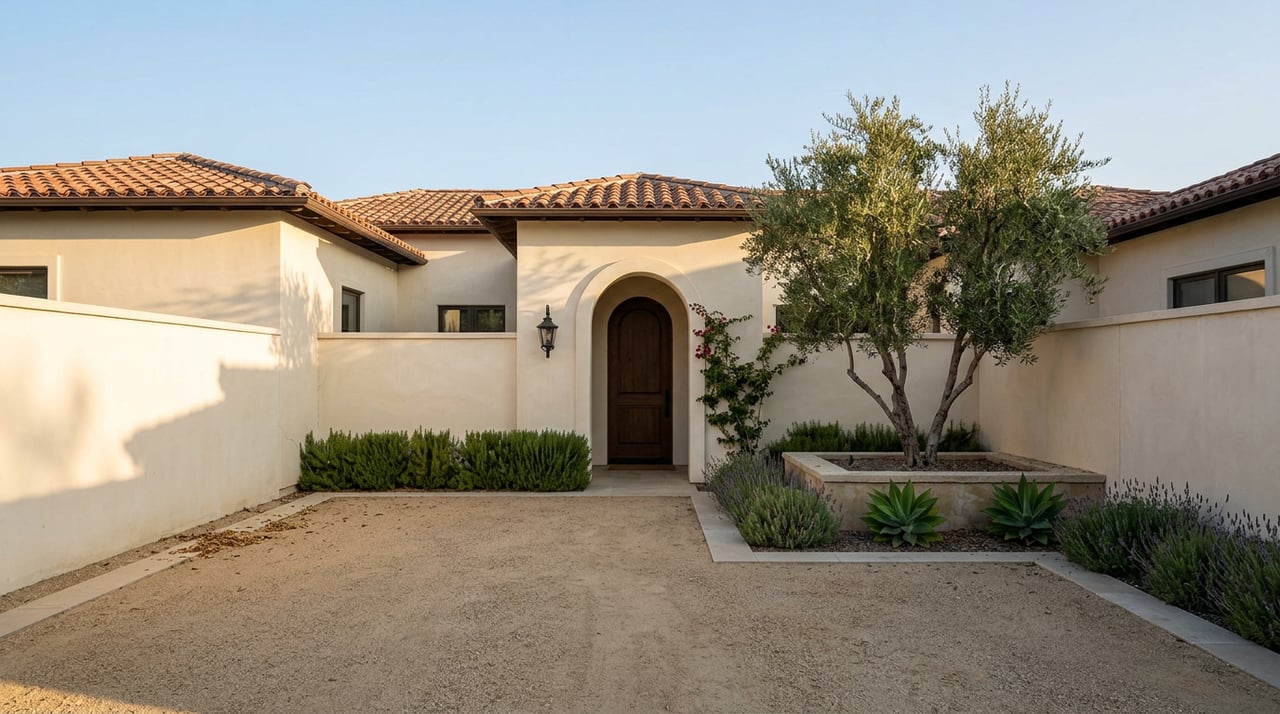
Permeable patios, gravel walkways, and defined “rooms” create order and reduce upkeep. Integrated path and step lighting improves safety and extends evening use. Clean lines and durable materials read as timeless rather than trend-driven.
Buyer tip: If you are evaluating a property, look for thoughtful drainage and grading that keeps water away from the home.
Outdoor showers and storage near the beach
Homes close to the sand benefit from rinse-off stations, surfboard racks, and easy-clean materials. These practical touches reduce wear on interiors and keep gear organized. They are small upgrades that speak to the Santa Barbara lifestyle.
Seller tip: Stage the space with simple hooks, woven baskets, and labeled storage to show how the routine works.
Lighting, audio, and smart controls
Low-voltage LED landscape lighting highlights architecture and provides safety on steps and paths. Smart irrigation controllers and timers save water and time. Discreet outdoor speakers can enhance gatherings without visual clutter.
Buyer tip: Ask about app-based controls and weather sensors on irrigation systems. These add value and can lower operating costs.
Privacy and wind breaks
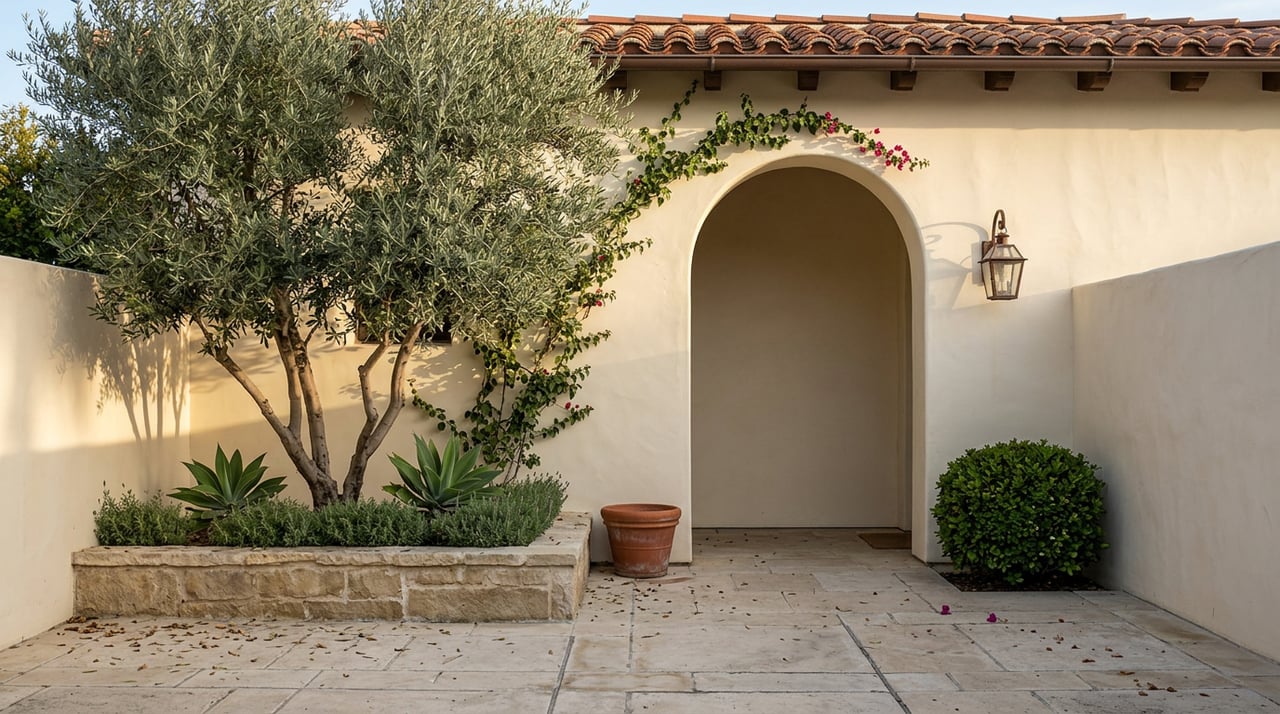
Living fences, lattice with vines, and strategically placed trees or screens can make tight lots feel more private. In windier microclimates, plantings or low walls can create sheltered outdoor rooms. The goal is comfort without blocking light or views.
Seller tip: Keep hedges groomed and ensure any screens meet neighborhood or HOA guidelines before listing.
Plan around rules and the environment
Permits and local approvals
Decks, pergolas, major hardscaping, pools, and significant electrical or plumbing work typically require permits. The City of Santa Barbara Building & Safety Division is your first stop for properties in the city. For unincorporated areas, contact Santa Barbara County Planning & Development. Start early to understand scope, timelines, and inspections.
Coastal zone considerations
Many properties sit in the coastal zone and may need a Coastal Development Permit for certain exterior projects, especially near the shoreline or view corridors. Coastal review can add time and conditions. If you are near the coast, consult planning staff or a local planner before you begin design work.
Wildfire risk and defensible space
Our wildland-urban interface and drought conditions make wildfire safety a priority. Cal Fire and local fire agencies publish guidance on defensible space and home hardening. Expect limits on combustible materials, vegetation clearance requirements, and rules for open flames during fire season.
Seller tip: Highlight completed brush clearance, ember-resistant vents, or non-combustible decking in your property notes.
Water conservation and rebates
Local water agencies frequently run conservation programs and rebates, including turf replacement and efficient irrigation. High-water lawns are less attractive for many buyers due to cost and seasonal restrictions. Consider smaller lawn areas, drought-tolerant alternatives, or synthetic turf for play zones.
Historic districts and HOAs
If your property is in a historic district or an HOA, exterior changes may be subject to design review. Confirm guidelines for visible structures, fencing, finishes, and lighting before committing to a plan.
Stormwater and grading
Local ordinances encourage permeable surfaces and good runoff control. Larger projects may need stormwater management plans. Thoughtful grading protects your home and landscaping and shows well at inspection.
Materials that last near the coast
Build for salt air
Choose corrosion-resistant materials close to the ocean. Marine-grade stainless steel hardware, powder-coated aluminum, fiberglass, and rot-resistant woods like teak hold up best. Avoid untreated steel and inferior fasteners that corrode quickly.
Wildfire-resilient details
Where risk is higher, favor non-combustible decking options, tempered glass near fireplace areas, and masonry or metal close to grade. Maintain defensible space and keep combustible storage away from the house.
Water-wise irrigation
Drip irrigation, smart controllers with weather or soil sensors, and rain shutoffs reduce waste and keep plants healthy. Grouping plants by hydrozone simplifies maintenance and supports water budgets.
Pest and termite protection
Warm, coastal climates raise the risk of wood decay and termites. Use treated or termite-resistant materials and ensure proper ventilation. Regular inspections and timely sealing or staining will extend the life of wood structures.
Costs, ROI, and timelines
Low to moderate updates often deliver the strongest perceived value on resale. Drought-tolerant landscaping, a clean patio with clear zones, and subtle lighting can transform the feel of a home at a reasonable cost. Mid-range projects like composite decks, shade structures, and modest outdoor kitchens improve enjoyment and marketability, though ROI varies by neighborhood and buyer profile.
High-end projects appeal in luxury segments, but resale value can be uneven in markets where maintenance, water use, or safety are concerns. Align your plan with your micro-neighborhood and likely buyer.
Typical timelines:
- Landscaping refresh: a few days to a few weeks.
- Patio or deck: 2 to 8 weeks depending on permits and complexity.
- Outdoor kitchens, pools, or major hardscape: several weeks to several months, plus permitting time.
- Coastal or discretionary reviews: add weeks to months, so plan ahead.
Buyer advice: If a home already has strong outdoor bones, factor the value of time saved on permitting and construction into your offer strategy. Seller advice: Prioritize curb appeal, water-wise updates, and clear staging of outdoor rooms to expand perceived living space.
Neighborhood-specific ideas
- Beachfront or near-shore homes: Focus on corrosion-resistant finishes, outdoor showers, secure board and gear storage, and wind-sensitive shade. Preserve view corridors while adding privacy with low plantings and strategic screens.
- Foothills and canyons: Emphasize defensible space, non-combustible materials, and smart irrigation. Shade structures that can close during wind events add comfort.
- Downtown and Upper East patios: Create multi-use zones on compact lots. Permeable pavers, vertical gardens, and built-in seating maximize function while keeping maintenance low.
Getting your property market-ready
Start with a plan that fits your location, likely buyer, and permitting path. Refresh landscaping with native or drought-tolerant plants, fix irrigation, and define outdoor rooms with furniture and lighting. If you add structures, confirm permits up front and choose materials that make sense for salt air and sun.
For sellers, a curated, low-water landscape, a welcoming patio, and tidy storage can shift first impressions and days on market. For buyers, weigh the personal enjoyment of each upgrade against maintenance and operating costs. In both cases, local expertise helps you invest where it counts.
If you want a tailored plan for your home, let a trusted advisor coordinate design ideas, vendor referrals, and a smart listing or purchase strategy. For principal-level guidance and white-glove support from planning to closing, connect with Sandy Lipowski.
FAQs
Do outdoor kitchens in Santa Barbara need permits?
- Often yes. Gas, electrical, and plumbing work typically require permits, and some structures may need review by the City of Santa Barbara Building & Safety.
Are fire pits allowed in Santa Barbara backyards?
- Open wood fires can face restrictions during fire season. Gas fire features are often a safer, more marketable option, subject to local fire codes and placement rules.
Will adding a pool help or hurt resale in Santa Barbara?
- It depends on the buyer profile. Pools and spas appeal in luxury segments, while some buyers prioritize low maintenance and water conservation.
Do I need a Coastal Development Permit for my project?
- If your property is in the coastal zone or a project affects shoreline access or views, you may need coastal review. Consult local planning staff early.
What materials hold up best near the ocean?
- Marine-grade stainless, powder-coated metals, fiberglass, and teak or other rot-resistant woods perform better in salt air than untreated steel or standard hardware.
How can I keep a green look while conserving water?
- Use smaller lawn areas, drought-tolerant groundcovers, or synthetic turf for play spots. Pair with drip irrigation and smart controllers to reduce water use.