You only have two days in Montecito and want to see the right homes, get real answers, and leave ready to decide. That is doable with smart planning. In a market where showings book fast and properties vary from cottages to hillside estates, a tight plan makes all the difference. This guide gives you a timed 48-hour itinerary, risk checks unique to Montecito, and the exact questions to ask so you can move with confidence. Let’s dive in.
Understand Montecito’s market pace
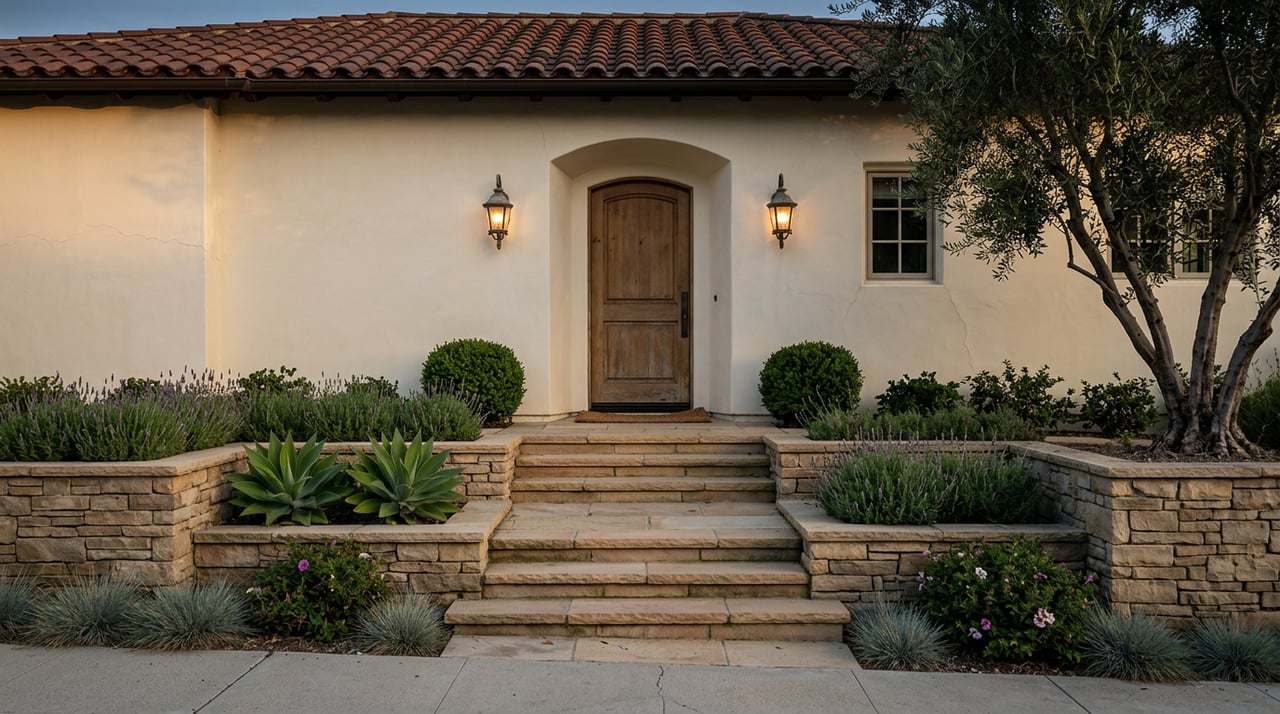
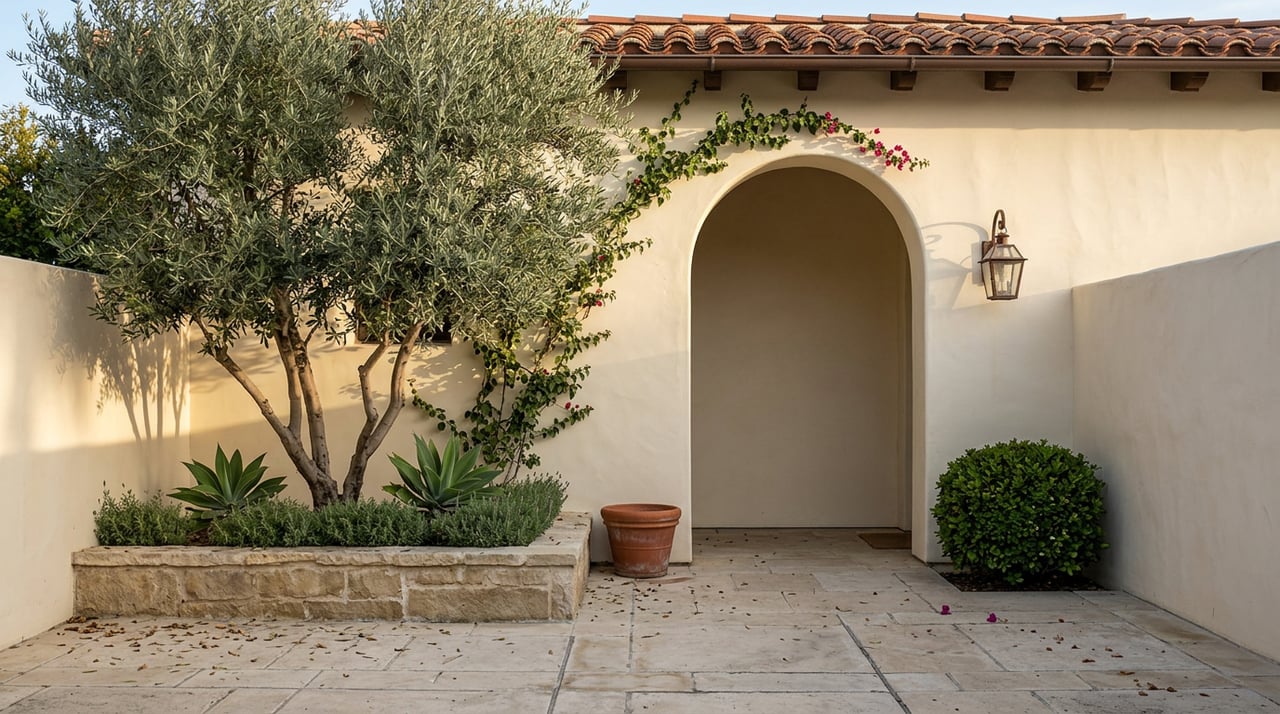
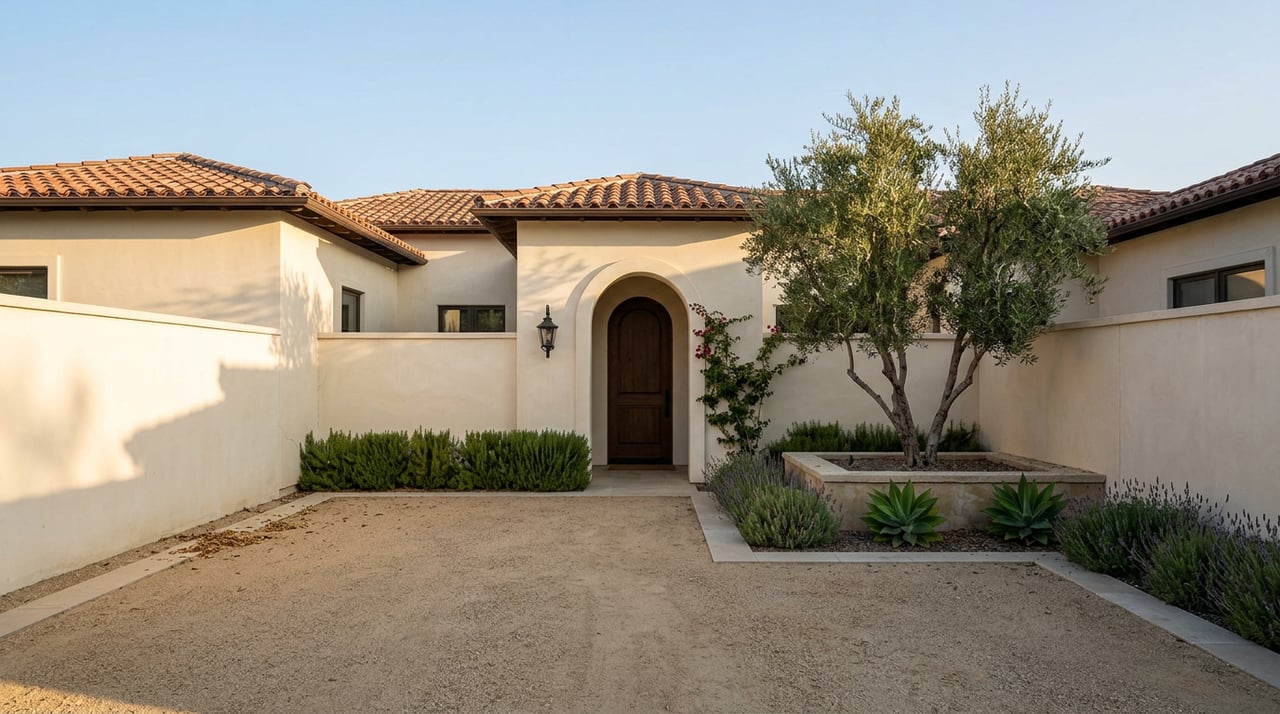
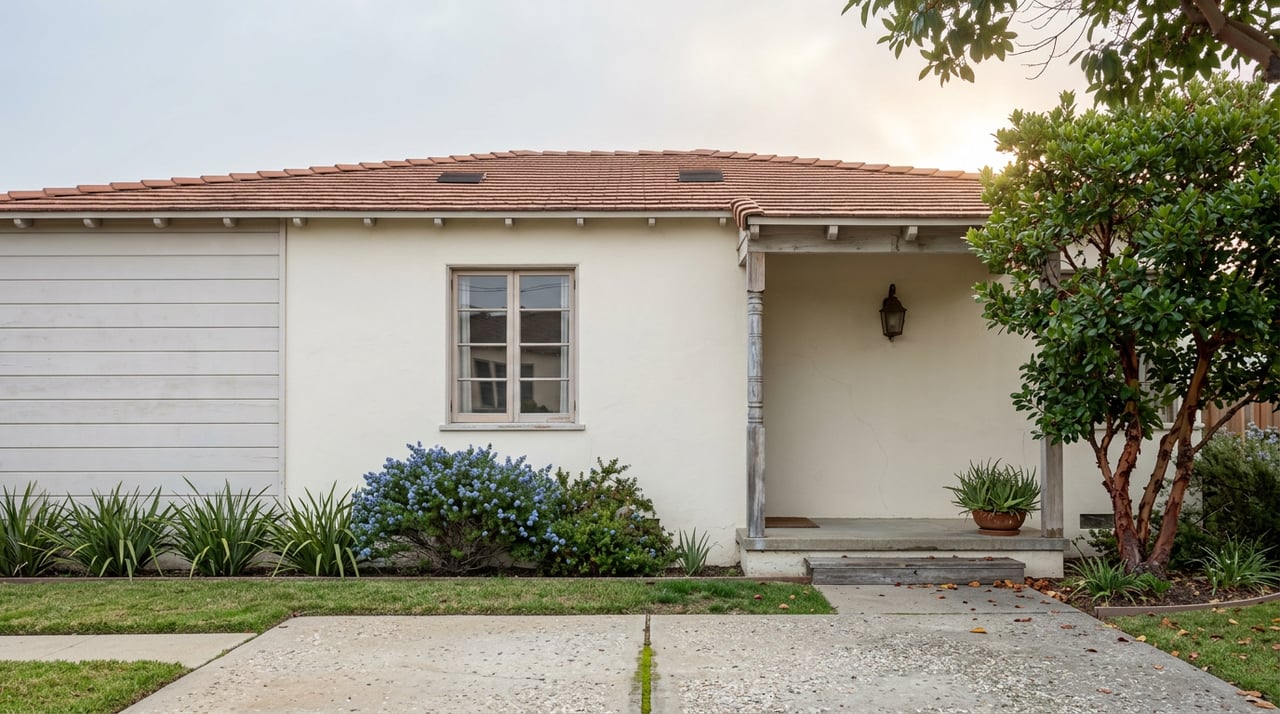
Montecito is an affluent, mostly residential community just east of Santa Barbara. You’ll find everything from village cottages near Coast Village Road to multi-acre estates in the foothills. Inventory can be tight and buyer interest is steady, so you should expect active competition for standout properties.
Luxury-market norms often apply. Sellers and listing agents typically ask for pre-approval or proof of funds, larger earnest money, and flexible escrow timelines. Bring your finance documentation and be ready to discuss contingencies. For current stats like days on market and inventory, use the local MLS and recent reports from Santa Barbara County Realtors.
Book travel and local logistics
Flying in is simple. The nearest commercial airport is the Santa Barbara Municipal Airport, a short drive from Montecito. Check flights at the Santa Barbara Municipal Airport. Los Angeles International is the main alternate if you need more options.
Rent a car or hire a private car service. Public transit is limited for a fast-paced house hunt. Allow extra time for traffic, limited parking near the Village, and driveways or gate access in the foothills.
Stay near Coast Village Road or the Village for convenience. You’ll be close to showings, restaurants, and services. If you prefer more privacy, ask your agent about boutique lodging that works well with early or late showings.
Your 48-hour Montecito itinerary
Use this as a starting point. Your agent can tailor it to your goals, book showings, and coordinate pros for on-site checks.
Day 1: Arrival and first look
- 8:30–9:15 a.m. — Land at SBA and drive to Montecito. Drop bags at your hotel near the Village if possible.
- 9:30–10:15 a.m. — Strategy meeting with your agent. Confirm must-haves, dealbreakers, and showings. Review pre-approval or proof of funds and finalize the route.
- 10:30 a.m.–1:00 p.m. — 2–3 priority showings. Focus on homes that match your top criteria. Build in buffer for gates, steep driveways, and hillside access.
- 1:00–2:00 p.m. — Quick lunch near Coast Village Road and debrief. Update your shortlist and questions for each property.
- 2:00–4:00 p.m. — Neighborhood drive-throughs. Compare micro-areas like Coast Village Road, East Valley Road, Mulholland Drive, and the foothills. Note privacy, views, and street activity.
- 4:00–5:00 p.m. — Lifestyle check. Walk the Village, explore Butterfly Beach, and gauge distance to services you’ll use.
- 6:30–8:00 p.m. — Dinner in the Village. Observe lighting, noise, and traffic in the evening. Jot down how the area feels after dark.
Day 2: Due diligence and decisions
- 7:30–8:15 a.m. — Revisit your top property. Check morning light, orientation, and noise at a different time of day.
- 8:30–10:00 a.m. — On-site specialist checks. Meet a pre-arranged inspector, contractor, or architect for quick assessments on a finalist. Your agent can coordinate.
- 10:30 a.m.–12:00 p.m. — Disclosures discussion. Review seller disclosures and any preliminary title info. Confirm sewer versus septic, utilities, and known hazards.
- 12:00–1:00 p.m. — Lunch and ranking session. Update your shortlist, price strategy, and next steps.
- 1:00–3:00 p.m. — Final showings or second looks. Add a nearby area tour if needed to compare hillside versus village living.
- 3:00–4:00 p.m. — Offer prep. Discuss earnest money, contingency timelines, and closing windows that fit your schedule.
- 4:00–6:00 p.m. — Decision time. If ready, submit a letter of intent or offer. If not, plan post-trip next steps and contingency periods.
Scheduling tips for a tight trip
- Book showings early. Unlisted or luxury showings can fill quickly.
- Ask your agent to stack appointments in tight blocks to reduce drive time.
- See homes in daylight and after dark. Neighborhood character can change.
- Leave buffers for gate codes, long driveways, and hillsides.
- Pre-book inspectors or contractors for short site checks on finalists.
Safety, hazards, and due diligence
Montecito is a coastal foothill community. You should build risk checks into your timeline and your offer strategy.
- Wildfire and defensible space. Review the Montecito Fire Protection District’s defensible-space rules and ask for current homeowners insurance quotes early. Insurability and premiums can change with risk maps and history.
- Debris flow, landslide, and flood risk. After the 2018 debris flows, many hillside parcels are within mapped hazard zones. Confirm locations on the FEMA Flood Map Service Center and with county geologic or debris-flow maps. Ask about past events and any mitigation.
- Seismic and slope stability. For hillside or bluff properties, consider a geotechnical review as part of your contingency plan.
- Utilities and wastewater. Confirm whether the home uses public sewer and water or septic and well. Septic systems require specific inspections and maintenance plans.
- Insurance and insurability. Consult the California Department of Insurance for consumer guidance on wildfire and flood coverage. Request multiple quotes before you make a strong offer.
- Coastal and building rules. Montecito is unincorporated under Santa Barbara County. Some coastal-zone properties may involve the California Coastal Commission. Ask about permits, design review, and any historic restrictions.
What to bring for a productive visit
Pack for speed, note-taking, and quick decisions.
- Pre-approval letter or proof of funds in print and digital form
- Photo ID
- Property list, addresses, and your agent’s contacts
- Laptop or tablet, portable charger, and a phone with a great camera
- Tape measure or compact laser measure, plus a small flashlight
- Notepad and a simple rating sheet with must-haves and dealbreakers
- Contacts for inspector, contractor, insurance broker, and geotechnical engineer
Questions to ask listing agents and owners
Bring these to each showing. Note the answers immediately after you tour.
- How long has the property been on the market? Any price changes or prior offers?
- Are there known issues with wildfire, flood, debris flow, or landslide affecting this property?
- Is the home on public sewer and water, or septic and well? Any utility easements?
- Are there recent inspections or reports for termite, roof, structure, or drainage? Any permitted work?
- What are the annual property taxes? Any special assessments?
- For condos or townhomes: HOA fees, CC&Rs, reserves, and pending projects?
- Any open code violations or pending litigation?
Questions for inspectors and local pros
If you can, pre-schedule short site assessments on your finalists.
- Hillside or bluff sites. Ask a geotechnical or structural engineer about slope stability and drainage.
- Coastal wood structures. Request termite and wood-destroying organism inspections.
- Older systems. Get a septic inspection and roof or drainage evaluation.
- Mature trees. Ask a certified arborist to review large oaks and any potential hazards.
Offer strategy on a short trip
Speed matters, but so does protection. Align your approach with risk and timelines.
- Lead with strength. Pair your offer with signed pre-approval or proof of funds. Outline your preferred escrow length clearly.
- Be clear on contingencies. In luxury markets, sellers may prefer fewer contingencies, but you should balance risk. Keep inspection and appraisal contingencies when prudent, and set realistic timeframes for any specialized reports.
- Plan post-offer due diligence. Geotechnical reports, septic certifications, and comprehensive structural evaluations often require more time. Use agreed contingency periods to complete them.
- Communicate early. Ask your agent to coordinate with escrow, lenders, attorneys, and inspectors so timelines stay tight and orderly.
Local resources to bookmark
Use these official sources for current maps, rules, and travel planning.
- Airport: Santa Barbara Municipal Airport flight info
- Wildfire: Montecito Fire Protection District
- Flood risk: FEMA Flood Map Service Center
- Insurance: California Department of Insurance
- Coastal zone: California Coastal Commission
You can make a confident decision in 48 hours with the right plan, the right team, and a focus on both lifestyle and risk. If you want a curated list of on-target homes, tightly scheduled showings, and pre-booked local pros, connect with a trusted Montecito advisor. Reach out to Sandy Lipowski to plan your visit and see the best of Montecito, efficiently and well.
FAQs
How many homes can I tour in two days?
- Expect 6 to 10 formal showings if your agent stacks appointments and keeps drive times tight, plus neighborhood drive-throughs and one or two second looks.
Can I complete due diligence in 48 hours?
- You can do visual assessments, meet pre-arranged inspectors for short site checks, and review disclosures and title prelims. Full geotech, septic certification, and comprehensive structural reports usually need additional time and are handled during contingencies.
Should I make an offer during the trip?
- Yes, many buyers do. Bring pre-approval or proof of funds and a clear contingency plan. Your agent can coordinate remote work with lenders, escrow, and inspectors so you can move decisively.
What are common dealbreakers in Montecito?
- Limited or unavailable insurance, locations within high debris-flow or landslide hazard zones without feasible mitigation, major undisclosed structural issues, unresolved permitting or code violations, and costly sewer or septic problems are top red flags.